

A backyard can be a place of calm, play and small wonders that change with the seasons. Picking plants for that space asks for a mix of practical thought and a touch of whimsy so each bed and pot works for you.
Start by looking at light, soil and how much time you can spare for care, and then match plants to those facts. A well chosen planting plan will reward you with color, scent and wildlife visits that make weekends feel like a treat.
Assess Your Site
Begin by walking the yard at different times of day to note where sun and shade fall, how wind moves and where water pools. Take a simple soil test kit from a garden center to learn pH, texture and basic fertility; that bit of data saves many headaches later.
Note micro climates such as a warm wall or a cool corner under a large tree since small shifts in conditions affect plant health. Make quick sketches and jot down repeated patterns of light and moisture so you can match plants to places they prefer.
Choose Plants For Your Climate
Local climate shapes what will thrive year after year, and a few native choices often win out because they are tuned to seasonal swings. Look up frost dates and average rainfall for your area, and pick species that tolerate your typical winters and summers without heroic intervention.
Many gardeners also explore guides that highlight authentic vegetation for SoCal outdoor spaces when they want plants that mirror the natural landscape and thrive with minimal watering.
When you buy, ask nursery staff about proven performers in nearby yards rather than shiny new arrivals that need special care. A good mix of hardy trees, shrubs and perennials gives structure and keeps the plot interesting across months.
Pick Plants For Sun And Shade
Sun loving species demand at least six hours of bright light daily while shade tolerant plants do better with dappled or brief direct sun. Match hostas, ferns and certain ground covers to shaded beds, and plant lavender, salvia and ornamental grasses in the brightest spots.
Group plants by light needs so care and irrigation fit the whole bed rather than chasing individual needs. Planting this way reduces stress on roots and keeps foliage looking its best.
Select Low Maintenance Options
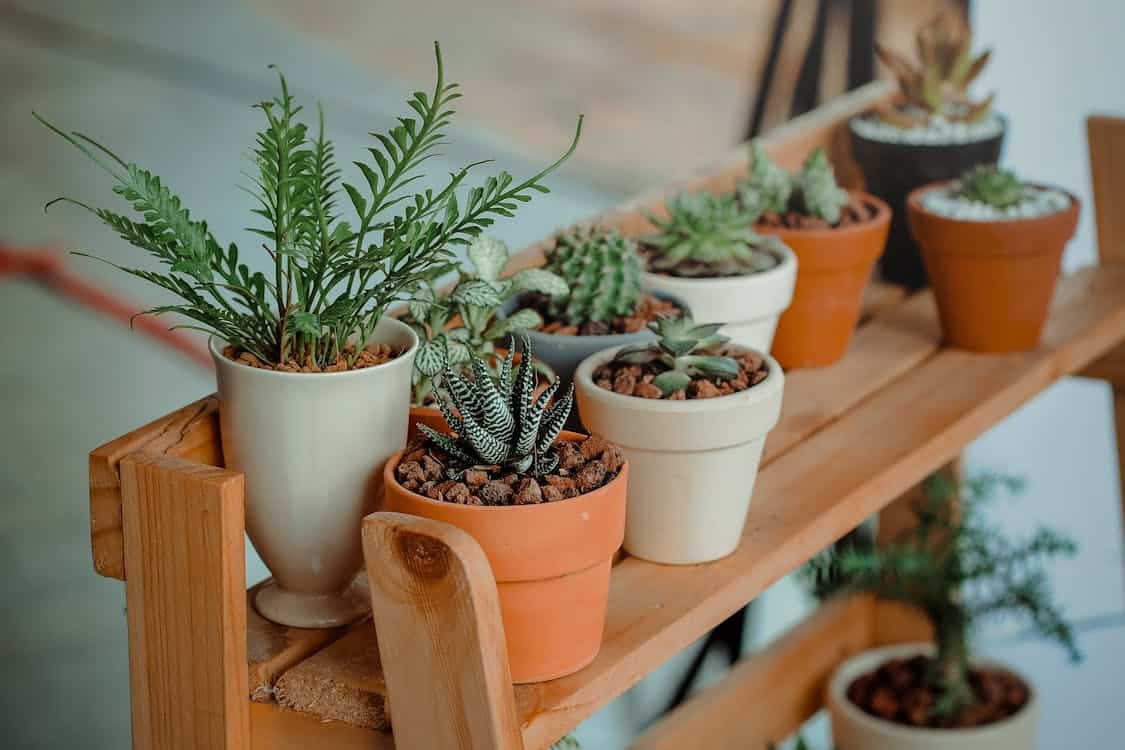
If weekends are for relaxing rather than endless yard work, choose species that need little fuss once established. Grasses, many shrubs and a selection of drought tolerant perennials often require only occasional trimming and feeding.
Mulch beds to cut down on weeds and retain moisture, and form a simple watering routine that meshes with your schedule. Low maintenance does not mean boring; it means smart choices that let the garden show off with minimal sweat.
Include Native Species
Native plants have evolved with local insects and birds so they offer food, shelter and reliability in ways many exotic species do not. They often use water efficiently and resist local pests, which cuts down on chemical treatments and extra work.
Mix native shrubs and wildflowers with ornamental choices to create a living patchwork that appeals to pollinators and people. Planting with local species also helps create a stronger, more resilient outdoor place that feels rooted in its region.
Add Seasonal Interest
Plan for blooms, berries and leaf color that arrive at different times so the yard stays inviting from spring to late fall. Bulbs give an early spring show while late season asters and sedums keep things humming well into autumn.
Think beyond flowers to include bark, form and seed heads which offer texture when blooms fade. A yard that changes with time rewards close attention and gives you something new to admire on every visit.
Think About Soil And Drainage
Soil is the foundation of plant success, and knowing whether it holds water like a sponge or sheds it quickly will guide your plant list. Improve heavy clay by adding organic matter such as compost which loosens the mass and helps roots breathe, and add organic matter to sandy soil to increase its ability to hold water.
Raised beds and gentle grading are useful where standing water is a problem, and selecting wet tolerant species can save repeated replacements. Healthy soil grows healthier plants which then resist pests and stress more easily.
Plant For Wildlife
If attracting birds, butterflies and beneficial insects appeals to you, choose nectar rich flowers, berry producing shrubs and native host plants. A layered planting with trees, shrubs and ground level plants provides shelter, food and nesting sites that wildlife use across seasons.
Avoid broad use of pesticides so pollinators can visit safely and natural predator insect populations can keep pests down. Even a small patch of native flowers can invite a steady stream of interesting visitors and create lively backyard scenes.
Plan For Size And Growth
Account for how tall and wide plants will become over years rather than how they look the day you buy them, and give room to breathe. Crowded plantings lead to stress, more disease and early replacements, while correct spacing lets root systems and foliage develop fully.
Pruning at the right time keeps shape and prevents surprises, and choosing slower growing varieties can meet space limits without constant clipping. A little forward thinking keeps beds attractive and reduces the need for major reshaping later.
Care And Maintenance Tips
Set a simple calendar for watering, pruning and dividing perennials so tasks are spread across the year and do not pile up in one season. Learn basic pruning methods for common shrubs and trees so you can shape plants without harming blooms or long term structure.
Feed with compost or slow release fertilizer in spring to support new growth and top up mulch each year to protect soil. Small, regular efforts pay off far more than occasional marathon sessions.
Design With Purpose
Think about how you want to use the backyard before filling it with plants, and let functions such as dining, play or quiet reading guide plant choices. Paths and sight lines help create rooms in the yard and allow plantings to frame views rather than block them.
Mix heights and textures so the space reads well from a porch or window and add focal points such as a specimen shrub or small tree to draw the eye. Practical planning makes the yard easier to enjoy and keeps plantings working for the life you lead.