

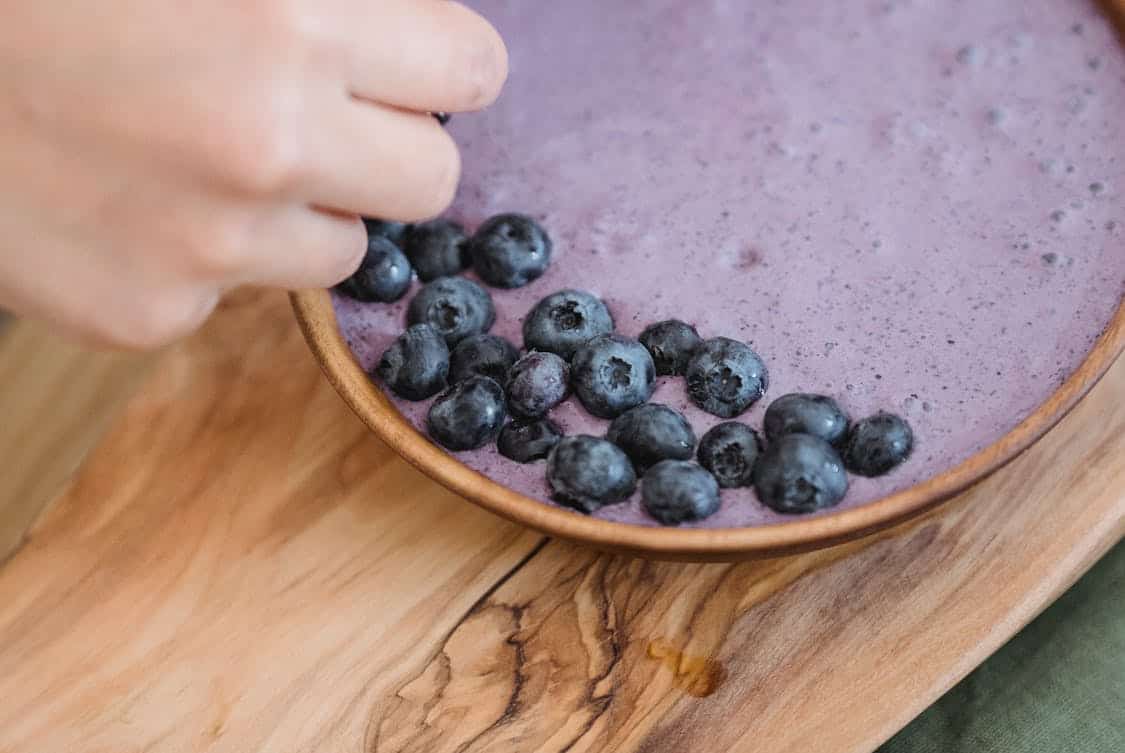
Blueberry soup can surprise people with its versatility and the many hats it wears at the table. In some kitchens it arrives chilled and spooned gently with cream, while in others it is ladled warm over porridge or mixed with grains for a filling bowl.
The border between a sweet ending and a sustaining plate blurs when fruit, starch, dairy, and spices share the same pot. Taste, context, and recipe choices steer that shift from treat to main.
What Is Blueberry Soup?
Blueberry soup often starts with fresh or frozen blueberries, water or stock, a touch of sweetener, and a thickening agent to make it spoonable rather than runny.
In colder climates a tradition grew where berry soups are quick to make, easy to store, and useful for using up fruit in lean months, so they became part of both snacks and breakfasts.
Texture matters: a silky, strained version leans toward dessert territory, while a chunky, grain-studded bowl reads more like a meal. The name stays the same, yet the role at the table changes with what else shares the plate.
Historical And Cultural Roots
In Nordic countries and parts of Eastern Europe, fruit soups have long been a staple, served hot or cold and often sweetened lightly, which makes them cross-cultural survivors that refuse to be boxed in.
Early cooks prized them for shelf stability and for the ability to stretch scarce ingredients into something warm and comforting, and those roots show up in modern uses that stray away from strict dessert-only rules.
Over time the recipe migrated to breakfasts and light lunches when paired with oats, milk, or cottage cheese, proving flexible in practice. Cultural memory keeps the soup alive as both comfort food and a seasonal indulgence.
Ingredients And Preparation: Sweet Or Savory?
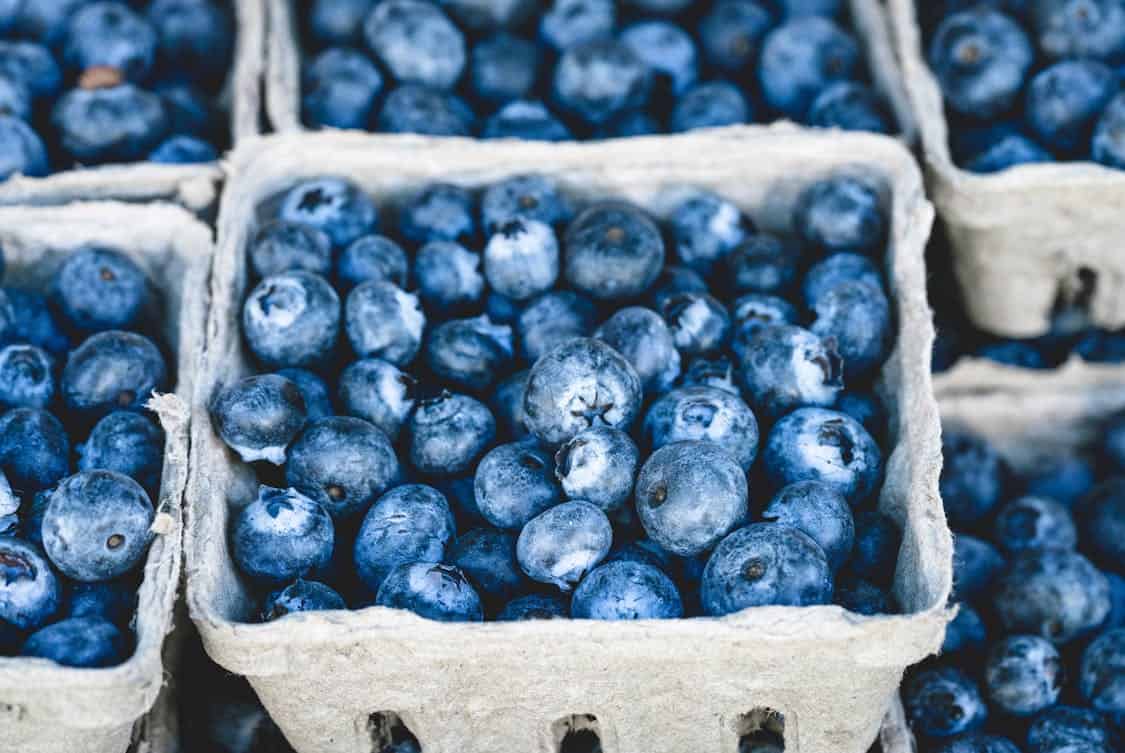
How one seasons and thickens blueberry soup pushes it toward one identity or the other; a heavy hand of sugar and cream points to dessert, while tangy yogurt, lemon zest, or a pinch of salt nudges it into a savory-sweet bracket that can stand in for a light meal.
Technique matters too: simmering until the fruit breaks down and then adding a grain like barley or buckwheat transforms a sweet liquid into a hearty, spoonable concoction.
Spices play a role—cinnamon and vanilla suggest after-dinner vibes, while black pepper, dill, or a swirl of olive oil pulls the flavor profile into lunch territory. Little shifts build a different result from the same base ingredients.
Serving Contexts And Temperature
Cold blueberry soup often wears the dessert label with pride, especially when presented in small dishes with whipped cream or a biscuit on the side; its chill and sweetness say finale to many.
Warm servings, particularly when paired with eggs, porridge, or toasted bread, behave like a morning or midday meal that fuels a day of work or travel.
Presentation matters: a tiny bowl and a delicate spoon cue a sweet ending, a deep bowl and a hearty spoon invite a main course. The company a bowl keeps—what else is on the table—tells the tale faster than recipe alone.
Nutritional Profile: Meal Or Treat?
On its own, blueberry soup delivers fiber, antioxidants, and a burst of natural sugars; that composition tilts it toward a snack or dessert when nothing else is added.
Introduce protein and complex carbs—Greek-style yogurt, nuts, oats, or cooked quinoa—and the same soup becomes balanced enough to serve as a breakfast or light lunch that keeps hunger at bay.
Fat content and portion size also change perception: a sugary, cream-laden small serving is dessert, while a larger, nutrient-dense portion fills the role of a meal. People often judge by the plate’s ability to satisfy both palate and appetite.
How Recipes Shift Its Role
A recipe that folds in oats, milk, and a spoon of nut butter morphs blueberry soup into a breakfast porridge with a liquid heart, while a version simmered with root vegetables and a dash of spice moves toward a savory first course.
Chefs and home cooks choose textures and add-ins to guide diners’ expectations, turning a single bowl into multiple experiences over time.
Experimentation with herbs, vinegars, or broths can create surprising pairings that make diners rethink what a fruit-based soup can do. The kitchen, in short, is where identity shifts from sweet spoon to sustaining bowl.
Social And Cultural Perception
Public opinion plays a big part: in many communities a chilled sweet soup registers as a dessert by default, yet close-knit families may hand it down as breakfast for berry season, so the label can vary generation to generation.
Media and cookbooks influence trends, but homes keep older habits alive, meaning that a single dish can mean different things under the same roof.
Parties and holidays often fold the soup into the dessert rotation because guests expect a sweet finish, while weekday breakfast routines use it as quick fuel. Perception, therefore, is flexible and often personal.
Practical Tips For Serving Blueberry Soup
Match sweetness to purpose by dialing sugar or sweetener low for meals and a touch higher for desserts, and think about portion size when you set the bowl down; large bowls read like main dishes and small dishes read like finales.
Garnish smart: a spoonful of yogurt, a sprinkle of toasted seeds, or a shard of crisp bread will shift how people approach the first bite.
Temperature and accompaniments matter, so serve chilled with cream or warm with grains when you want to nudge guests one way or the other. Little choices stack up and tell diners how to treat what they are about to eat.