


Money conversations are noisy right now and many people are asking what safety really means.
Some seek shelter in metal that has shone for centuries while others stick with notes and bank balances that pay the bills. Both choices carry trade offs that change with policy moves market mood and personal needs.
How Cash Loses Value
Inflation erodes what a unit of currency buys over time and that effect can be stealthy. Low interest on deposits may leave savers with returns that trail the rise in prices leading to lower real purchasing power.
Central bank actions can push short term rates and those moves ripple into loan costs and yields on safe assets. People often feel safe seeing numbers in an account yet those digits can buy less next year than they do today.
Currency value also shifts with exchange rates and fiscal choices made by governments and banks. Rapid money growth in an economy can compress the value of existing notes which is one reason people watch consumer prices.
Bank fees and account charges chip away at small balances and small losses add up over time. For day to day spending cash or digital money is indispensable but it is not immune to slow decay in what it purchases.
Gold As A Store Of Value
Gold has been prized across eras for scarcity and cultural weight that is hard to erase. The metal does not pay interest and it sits quietly waiting for price signals to move it up or down.
Many investors treat gold like a hedge against currency weakness and a backup when trust in paper money frays. Centuries of use have given gold a reputation that keeps demand alive in many corners of the globe.
For buyers wanting a straightforward way to source physical bullion, a reputable money metals company can simplify the process and provide clearer pricing.
That reputation is not a guarantee of steady gains and prices can correct sharply when appetite for risk returns. Central banks and large funds sometimes add gold to reserves which supports price during rough patches.
Jewelry demand and industrial use create steady baseline demand while speculative flows can push swings. Gold best serves as an anchor not a turbocharger in a well chosen set of holdings.
Gold’s Liquidity
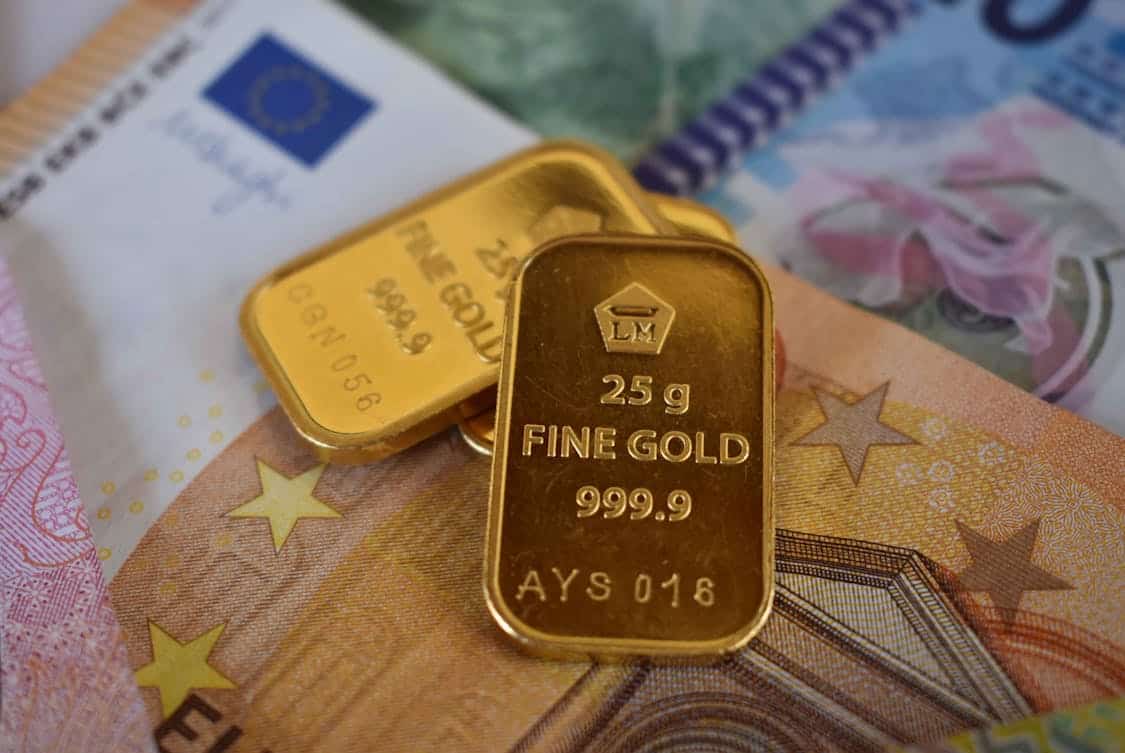
Cash delivers instant purchasing power for groceries rent and short term bills and that simple fact has value beyond metrics. Liquidity for cash is near universal and access is typically immediate which comforts many households.
When life throws a curve having money that can be spent without friction solves problems fast. That practical use is the backbone of emergency planning.
Gold must be converted to cash to cover everyday costs and that process can take time and carry a spread in transaction costs. Selling small amounts may be straightforward with online dealers but larger trades often require verified channels and waiting periods.
There is also the question of trust and verification for buyers who want certified purity and provenance. For urgent needs gold can be less nimble than notes in a wallet or balances at an online bank.
Volatility And Price Swings
Gold prices can jump on news of conflict policy shifts or changes in real interest rates and those moves sometimes surprise. A safe haven label does not shield the metal from rapid corrections and some years show wide swings in dollar terms.
Cash on face value does not fluctuate in the same way yet its real value changes when prices rise. That contrast is the classic trade off between nominal stability and protection against losing buying power.
Short term traders can find profit in gold volatility but long term holders must accept the ride and have patience. Market sentiment often drives big moves and technical patterns matter for a time before fundamentals reassert themselves.
A sharp rise in yields or a stronger currency can push metal prices lower quite quickly. When planning for future needs an eye on probable paths and shock scenarios helps avoid nasty surprises.
Costs, Storage And Security
Keeping physical gold comes with concrete costs that are easy to underestimate such as storage insurance and safe transport. A home safe adds security yet creates risk if someone knows where valuables sit and if proper precautions are not taken.
Bank safety deposit boxes offer a middle ground but they may have access limits and fees that eat into returns. Paper claims or allocated accounts reduce some hassles yet introduce counterparty exposure and contractual terms to read carefully.
Cash storage is not free either and holding large amounts at home carries theft and loss risks while bank accounts can charge maintenance fees. Digital accounts shift the risk to platforms that must be reliable and solvent and that introduces regulatory and counterparty considerations.
Both forms of holding require thought about who holds the key who has access and how loss is covered. Small steps now can prevent big headaches later.
Role In A Balanced Financial Strategy
A thoughtful allocation treats gold and cash as tools with different functions and timelines rather than rivals in a duel. Cash covers short term needs and offers peace of mind when bills are due while gold can serve as a long term ballast against certain types of systemic pressure.
Combining roles allows an investor to sleep at night and still participate in upside when markets reward safe haven assets. The aim is to match holdings to goals and to time frames so money can work in the background without causing stress.
Practical rules help decide an amount to hold in each form such as keeping several months of expenses in liquid funds and a modest portion in assets that behave differently than stocks and bonds. Rebalancing at intervals keeps the allocation aligned with changing values and personal circumstances.
Tax rules transaction costs and storage realities all factor into the final choice and merit plain talk with a trusted adviser if the sums are meaningful. In the end patience and clear aims often separate those who reach their plans from those who chase bright shiny moves.