


Silver has been a store of value for centuries and still plays several distinct roles in modern portfolios, acting at times as a hedge against currency weakness, at times as a speculative play and often as an industrial commodity.
Its price moves with shifts in market sentiment and with changes in industrial demand, so that periods of intense buying are often met by equally swift pullbacks when conditions alter, creating both attractive upside and notable downside.
Many investors weigh the metal’s potential to protect purchasing power against its tendency toward higher short term volatility and the liquidity quirks that smaller markets produce.
This article will walk through how silver behaves across economic cycles, highlight common sources of loss and propose practical steps that can shrink exposure and help align positions with long term financial goals.
How Silver Behaves Compared To Gold
Silver often follows gold in long term moves, yet it tends to amplify swings as its market is a fraction of gold’s in terms of daily traded volume and available above ground stock.
Industrial uses in electronics, solar panels and certain medical and photographic applications add a steady layer of physical demand that gold does not share to the same degree, and that link to real world production can lift prices when factories are busy.
That dual role means silver can rally strongly when safe haven flows pick up or when industrial demand surprises to the upside, while it can also drop sharply when those flows reverse or when manufacturing and supply chains slow, producing a more jagged ride than many expect.
Investors should therefore expect higher short term volatility, occasional sharp intraday gaps in price during stress periods and a need for tighter risk rules relative to other store of value assets.
Sources Of Risk In Silver Investing
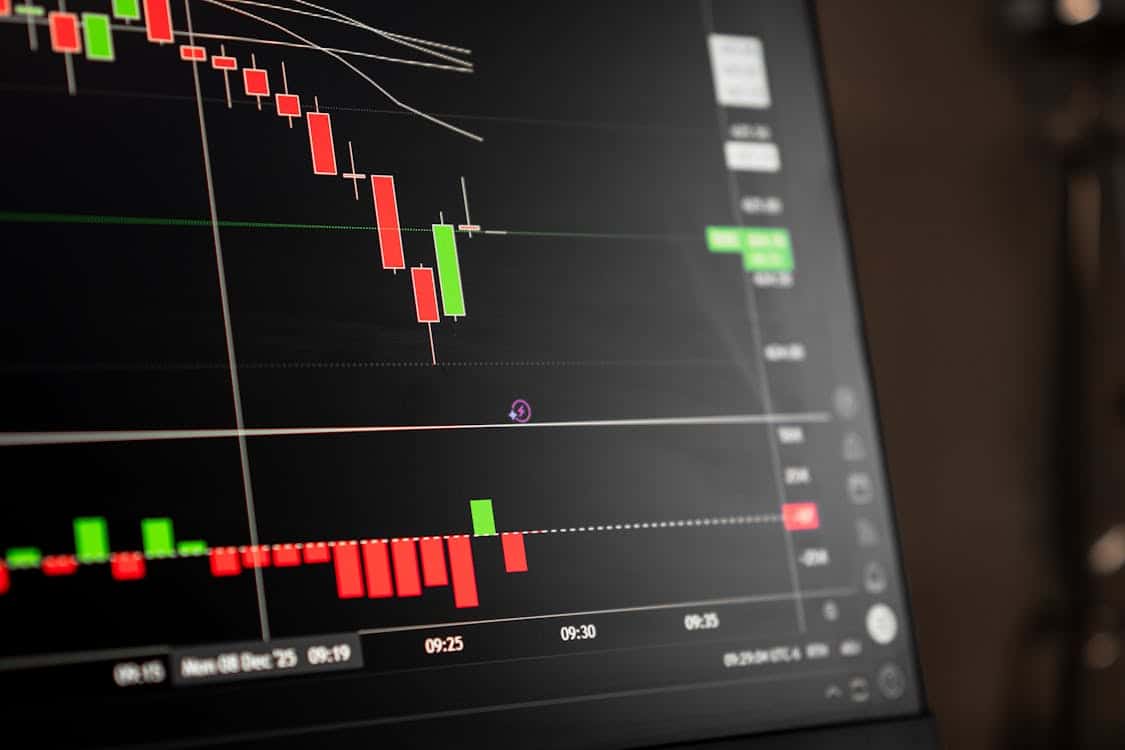
Price volatility is perhaps the most obvious risk as silver can swing on central bank signals, macro headlines and sudden shifts in demand from industry buyers, which makes single events capable of eroding paper gains quickly.
The physical market has higher premiums and storage costs than gold for small purchases, and that eats into returns for retail buyers who are not purchasing in bulk, with coin and small bar premiums sometimes running several percentage points above spot.
Paper silver products such as ETFs and certificates introduce counterparty exposure and potential tracking gaps when the fund cannot match the metal backing precisely, while futures contracts carry margin calls that can force rapid liquidations at the worst possible time.
Fraud and counterfeit items appear in the physical market from time to time, so provenance, assay verification and dealer reputation should inform any purchase decision to reduce loss risk.
Physical Silver Versus Paper Silver
Owning coins and bars gives direct exposure to the metal and removes some middlemen, but it brings custody questions, insurance costs and the need to think about transport when buying or selling larger amounts.
Exchange traded instruments and certificates are easier to trade, often more liquid and cheaper to store, yet they can diverge from spot in times of stress and do not deliver a tangible asset to your hands without additional steps.
Futures allow traders to gain exposure with limited initial capital, and that leverage amplifies both gains and losses while demanding active margin management and a clear exit plan.
The right option ties to time horizon, risk appetite, operational skill and whether one values the peace of mind that comes from holding a physical item over the convenience of financial wrappers.
Ways To Reduce Risk When Buying Silver
Set explicit position limits and treat silver as a component of a diversified portfolio, following a clear percentage guideline so a single metal cannot derail broader financial plans.
Buy from reputable dealers, check hallmark stamps, ask for assay certificates on larger bars and, when possible, inspect items in person to reduce the chance of buying counterfeit or misrepresented goods.
For investors focused on tangible assets and gradual accumulation strategies, Money Metals provides silver bars for long term wealth preservation alongside options that can fit a diversified precious metals portfolio.
Use insured allocated storage services that publish clear fee schedules and audit statements, or maintain a small home reserve secured in a quality safe and covered under a policy that acknowledges precious metals; both approaches have trade offs in cost and access.
Avoid leverage unless you have robust stop loss rules and contingency plans, and prefer a long term horizon when holding physical metal rather than chasing short term swings.
Timing And Market Signals For Silver
Market participants watch inventory levels at major exchanges, warehouse data from global clearing houses and reports on industrial demand to gauge structural pressure and whether a rally has firm physical backing.
Real interest rates and currency moves often exert heavy influence on metals as they change the opportunity cost of holding non yielding assets, with rising real yields and a strong currency typically weighing on prices.
Chart patterns, open interest and positioning reports can warn of crowded trades while ETF flows and physical premium behavior provide clues about genuine buying versus speculative positioning, and the interplay between these signals can be telling.
Timing matters yet patience is often rewarded, because short term signals can flip quickly when macro news hits and a calm head helps avoid emotional mistakes during whipsaws.
Storing And Protecting Your Holdings
Home storage offers control, immediate access and the comfort of holding the asset yourself, yet it carries theft risk, potential insurance gaps and the need to secure the items against loss with a robust safe and documented procedures.
Bank safe deposit boxes reduce theft risk and provide anonymity in many cases, but they restrict immediate access, have limited operating hours and may be inaccessible during certain institutional disruptions.
Allocated vault services provide professional custody, insured holdings and periodic audits that can make larger positions manageable, but those conveniences come with recurring fees that must be weighed against the value of the protection being purchased.
Keep detailed records of purchases, serial numbers and assay paperwork, rotate insurance arrangements periodically and maintain multiple independent safeguards to avoid concentrating custody risk in a single point of failure.