

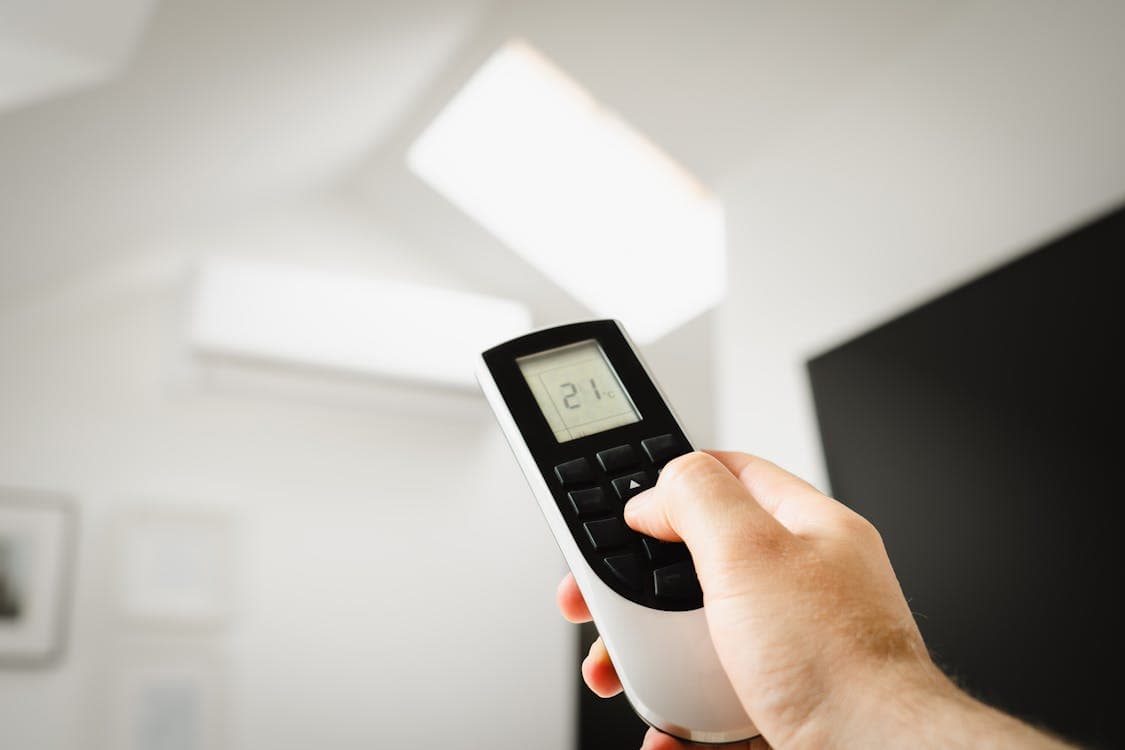
Aircon units can lose their cool if they are left to fend for themselves, and a neglected system will quietly push energy bills upward while failing to deliver steady comfort. Regular attention keeps a unit running with less strain and fewer surprise failures, and small preventive acts often head off messy fixes later on.
A handful of routine checks and tiny adjustments will keep cool air flowing and keep running costs in check without a major overhaul. Habits formed now pay dividends in the long haul and spare you the headache of emergency call outs.
If you’re in Brisbane, consulting with aircon cleaning specialists in Brisbane can ensure your unit stays in top shape with minimal hassle.
Filter Maintenance
Clogged filters restrict airflow, force fans and compressors to work harder, and shorten component life while lowering indoor air quality in homes and offices. Inspect filters every month in periods of heavy use and give them a thorough clean or swap them out when dust, pet hair, or a faint odor appears.
For washable filters a gentle rinse with water, a mild detergent if grease is present, and complete drying before reinstalling will reduce mildew and trapped grime. When a replacement is required pick the correct size, match the rating the manufacturer suggests, and choose a model that traps fine particles for healthier indoor air.
Outdoor Unit Care
Keep the area around the outdoor unit clear, allowing air to move freely and letting hot air escape rather than recirculate back into the system; restricted flow is a leading reason for poor performance.
Remove leaves, twigs, and storage items that gather near the cabinet and trim back plant growth so the unit gets a clear intake and exhaust path.
Avoid spraying electrical components with a high pressure hose and instead use a gentle rinse on the fins and a soft brush for surface grime when hands on care is needed. If the mounting pad has shifted or settled, level the unit and tighten loose bolts and fan guards to reduce vibration and noise that can hide other problems.
Coil Cleaning
Evaporator and condenser coils collect film and debris that reduce heat transfer efficiency and force the refrigerant loop to work harder than it should, increasing wear.
Begin with a careful visual inspection and employ a soft brush or a low pressure rinse to remove light buildup, reserving stronger coil cleaners only when the product instructions recommend them.
Take care around the delicate fins because bent fins choke airflow; straighten any deformations gently with a fin comb and avoid scraping that can tear thin metal. Clean, straight coils let heat move where it belongs, lower electrical draw, and help the whole system reach setpoints more quickly when the temperature climbs.
Refrigerant Level Check
Low refrigerant will show up as weak cooling, frosting on the evaporator, and longer run cycles that stress the compressor and other components. A certified technician checks system pressure, locates any leaks, and will test for loss rather than simply adding more refrigerant; charging without repair masks the root cause.
If a leak is located proper repair and an accurate recharge restore correct pressures and normal cooling capacity while protecting the compressor. Do not attempt to add refrigerant yourself without proper tools and certification; the wrong refrigerant type or charge quantity can damage the system and breach local regulations.
Fan And Blower Care
Fans and blowers move conditioned air through ducts and across coils, and their balance, blade condition, and motor health have a direct impact on airflow and system stress.
Remove dust from blades and housings with a soft cloth, check for wobble and noisy bearings, and inspect belts for glazing, cracks, or slack if your unit uses them.
Lubricate motors only where oil ports exist and only with the lubricant the maker specifies, and replace belts, pulleys, or bent blades that show visible wear. A smooth spinning fan not only cuts operational noise but also improves air delivery so the compressor spends less time running flat out.
Thermostat Calibration
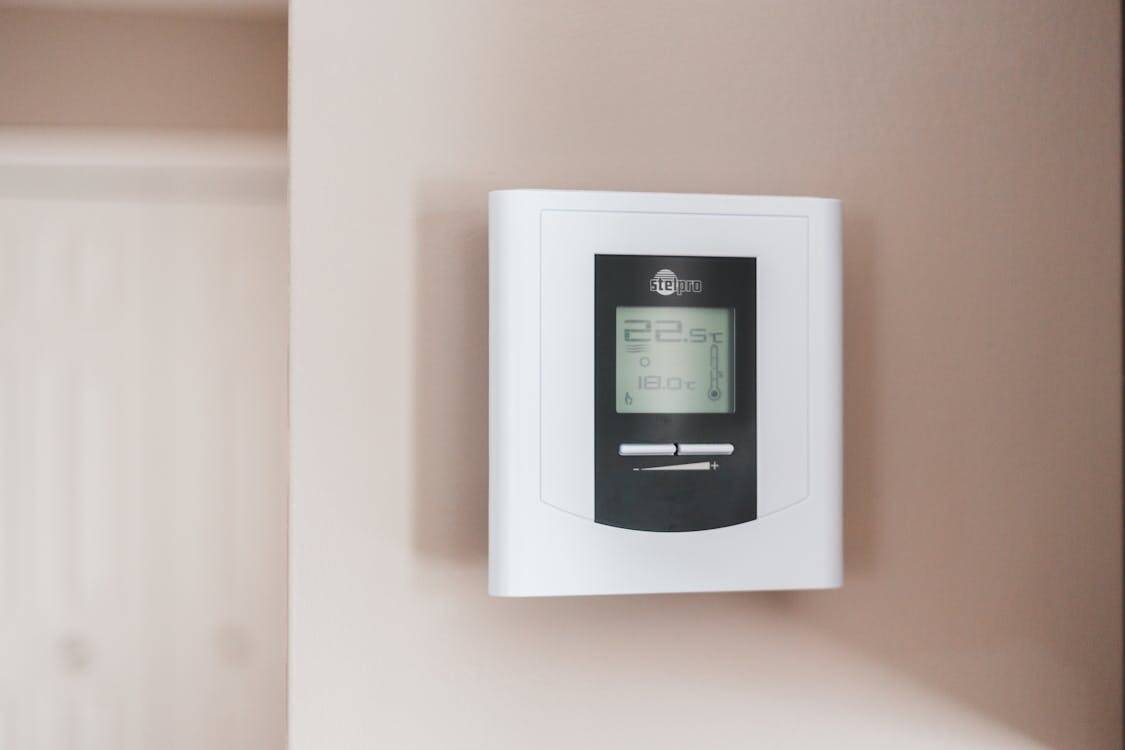
A mis calibrated thermostat causes odd cycling and uneven temperatures that make the space feel less comfortable while using more energy than necessary.
Check the setpoint reading against a reliable room thermometer placed away from direct sun and drafts, then adjust the control or replace the device if readings differ significantly.
Smart thermostats and programmable models offer schedules and setback options that reduce run hours when spaces are empty and bring comfort back before arrival. Thoughtful control choices keep cycling sensible and extend the lifespan of mechanical parts by avoiding needless heavy use.
Insulation And Sealing
Leaky ducts, gaps at vents, and thin insulation create thermal losses that force the aircon to compensate by running longer to reach the same perceived comfort.
Inspect visible ductwork for tears, gaps, and unsealed joints, then tape or seal those areas with foil backed tape and replace badly damaged sections so conditioned air reaches living spaces rather than attics or crawlspaces.
Upgrade insulation around ducts in attics and exterior walls to reduce heat intrusion into the cold airflow and weatherstrip doors and windows where drafts occur at the shell. Better sealing and insulation often deliver the biggest return in comfort and lower run hours, making other fixes more effective.
Professional Servicing Schedule
An annual or twice yearly tune up by a trained technician will uncover slow moving faults before they become costly breakdowns and will keep warranty requirements satisfied.
At service visits the technician inspects electrical connections, tests capacitors and relays, measures airflow, checks refrigerant pressures, and assesses compressor and motor condition with calibrated tools.
Keep a log of visits, findings, and replaced parts so trends of wear emerge and you can make sound choices about repairs or replacement with clear data. A steady servicing rhythm reduces the risk of emergency calls when heat waves push demand and helps the system behave like a reliable workhorse.
Energy Saving Habits
Small daily habits shave run time and trim bills while preserving comfort in the rooms where it matters most, and these moves add up over a season.
Shift heat producing tasks away from the hottest hours when practical, close blinds or use reflective curtains under bright sun, and set the thermostat a few degrees higher when the house is unoccupied.
Use ceiling fans or portable fans to create airflow that allows you to nudge the thermostat upward without losing perceived comfort, and keep vents unobstructed so air moves where you need it.
Over weeks those modest changes lower total run hours, reduce wear on parts, and make maintenance needs easier to manage while keeping cool air on your side.