

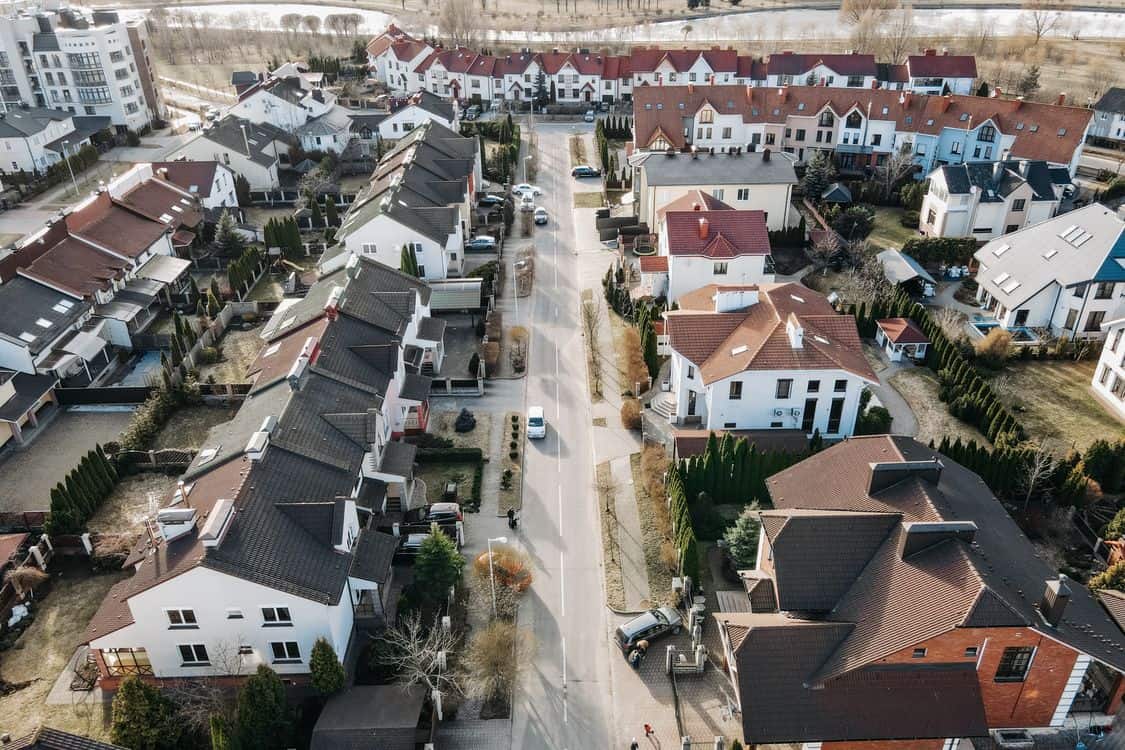
Austin’s extreme summer heat creates an obvious scheduling problem for roofing: workers are on exposed surfaces that can become much hotter than the surrounding air.
The 2026 heat milestones provide strong context for why earlier starts, rest breaks, hydration, and heat-safety planning make sense. The weather source does not, however, document how every Austin roofing company changed its schedule.
June’s Heat Index Tied a Record That Had Stood Since 2023
On June 18, Austin’s heat index climbed to 118 degrees, matching the all-time mark set at Camp Mabry three years earlier. It arrived unusually early in the season, which is what made it dangerous in a specific way.
Matthew Brady, lead meteorologist with the National Weather Service’s Austin/San Antonio office, said the reading was rare enough to warrant an alert the office hadn’t issued since 2024. He noted people’s bodies simply hadn’t acclimated to heat that extreme so early in the summer, since the heat index tied the all-time record for the city.
Spring rains were part of the setup. Wet ground and high humidity, stacked on top of rising June temperatures, pushed the heat index far past what the actual air temperature suggested. For anyone working a roof, that distinction barely matters. Heat index is what the body feels, and 118 is dangerous no matter what’s driving it.
Roofing employers can respond to extreme heat with earlier work windows, more frequent breaks, worker rotation, shade, hydration, and other heat-safety controls. For homeowners comparing roofing companies in Austin, summer scheduling is one practical detail to ask about because the safest work window can shrink during prolonged extreme heat.
Water and electrolyte availability can be part of a heat plan, alongside shade, rest breaks, acclimatization, and schedule changes.
Steep or complex roofs can increase physical demands, making heat exposure an even more important part of job planning.
August Added a Long Stretch of Extreme Heat
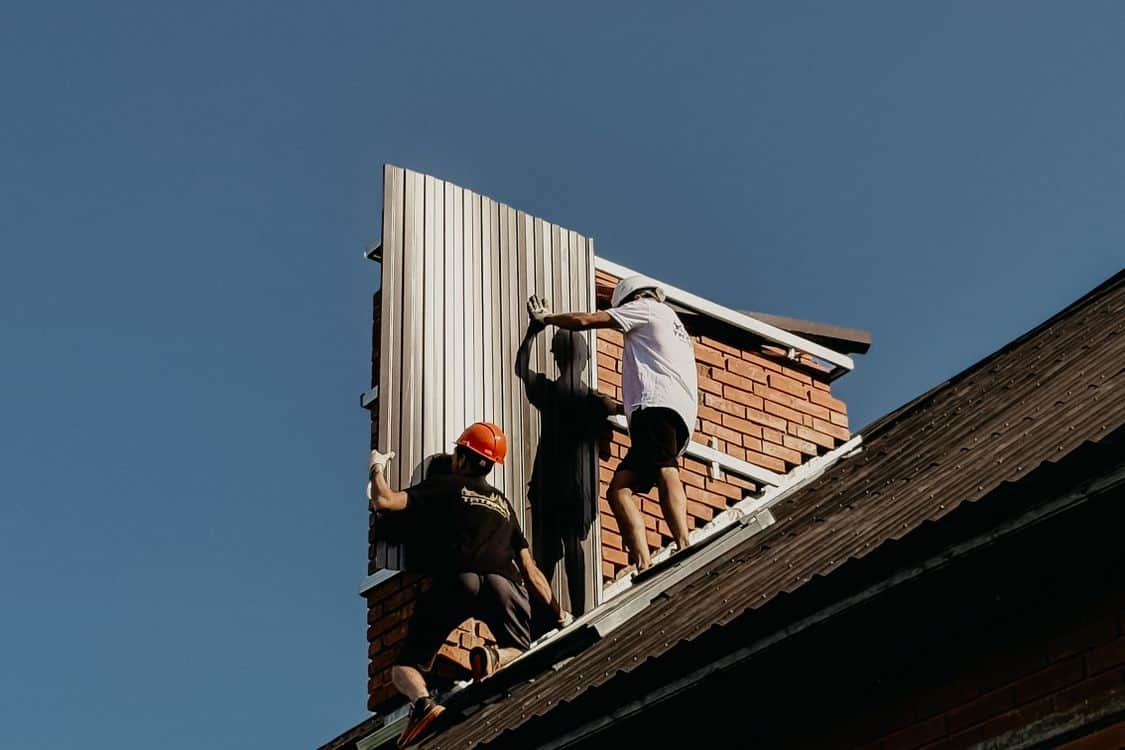
If June was a spike, August was a grind. Austin strung together more than a week and a half of consecutive hundred-degree days by the back half of the month, the kind of streak that stops being newsworthy after day four and starts being a scheduling problem instead.
Eleven days in a row of triple-digit heat doesn’t sound as dramatic as a single record-tying reading. It’s arguably worse for crews. A spike ends. A streak just keeps going, day after day, with no real recovery window between shifts.
A reasonable operational response is to move the most strenuous work earlier in the day and reduce continuous exposure during peak heat, subject to noise rules, customer needs, and safe lighting conditions.
Asphalt shingles and adhesives can behave differently under extreme surface heat, so manufacturers’ installation instructions and product-temperature limits matter during hot-weather work.
The exact schedule varies by company and job, but repeated extreme heat narrows the comfortable and safe work window.
Some projects may take longer when heat-safety breaks or shortened work periods are necessary.
Heat Planning Is Likely to Remain Part of Summer Roofing
Even if next summer is cooler, roofing employers still have to plan for heat illness during Texas summers. The need is structural; the exact 2026 schedule changes are company-specific.
Heat illness is a real occupational hazard, so employers have a safety reason to plan work, breaks, hydration, and exposure around extreme conditions.
Homeowners may see earlier appointment or installation windows during hot weather, but availability varies by contractor.
Earlier work windows and additional heat-safety breaks can change project timing, but the exact effect depends on the crew, roof, weather, and scope.
The lesson from 2026 is not that one permanent schedule has taken over Austin roofing. It is that extreme heat makes flexible scheduling and heat-safety planning increasingly important.
Service calls can also be scheduled around roof-surface temperature when practical, especially when the work is not urgent.