

The patio-cover debate in Las Vegas usually comes down to looks. Alumawood or a pergola, solid roof or lattice, a retractable awning or something permanent. Underneath the style talk, though, sits a climate reality that keeps raising the stakes.
A Climate Central analysis found Las Vegas now runs 43 more above-average temperature days than it did in 1970, part of a national pattern where one in five U.S. cities has picked up a full extra month of hotter-than-normal weather. Reno and Las Vegas rank among the fastest-warming cities in the country.
When the hot season keeps stretching, picking a patio cover stops being cosmetic and starts being functional.
A longer hot season changes what you need from a cover
A cover that only has to perform for three brutal months is a different animal than one expected to earn its keep for five or six. As the heat calendar grows on both ends, so do the demands on the thing over your head.
The state climatologist chalks the warming up to a mix of broad climate change and the urban heat island effect, as asphalt and concrete across the valley soak up sun all day and radiate it back deep into the night. A backyard in that setting needs more than a token gesture at shade.
That pushes homeowners toward heavier, permanent solutions and away from flimsy seasonal fixes. When shade is a half-year job, you want something built to go the distance.
The three contenders, judged by the heat
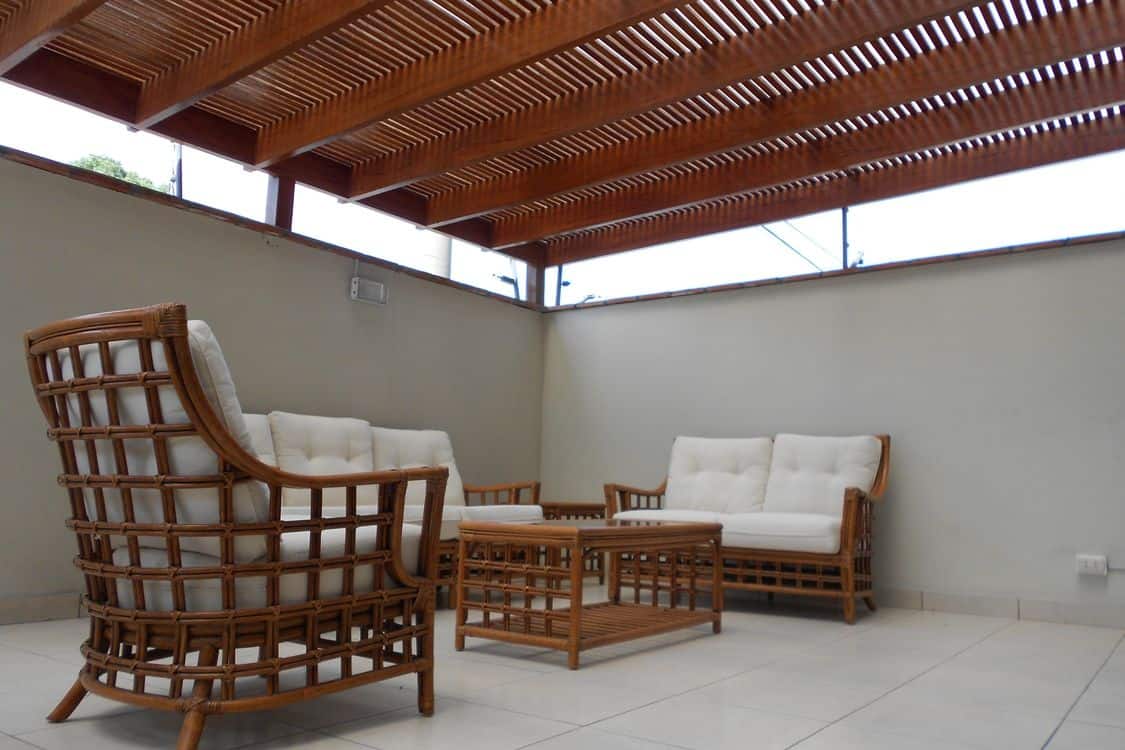
Las Vegas homeowners usually weigh three options, and a longer hot season sharpens the gaps between them.
Solid aluminum covers, in the Alumawood and Elitewood mold, give the most complete shade and, insulated, the biggest cut in heat coming through to the space below. When the goal is a patio you can actually use through a stretched summer, full coverage is tough to beat.
Pergolas and lattice covers offer partial shade with an airier feel, filtering the sun while leaving open sky overhead. They’re gorgeous and popular, though in the deepest heat they cover less than a solid roof does. Retractable awnings trade permanence for flexibility, extending for shade and pulling back for open air, which suits people who want to control the balance day to day.
None of them is wrong. But the warming trend nudges the call toward whatever gives the most reliable shade across the longest span of the year.
Choosing for the climate that’s coming
The temptation is to buy a cover for the Las Vegas of memory, the one with a gentle spring and a summer that knew when to quit. The data argues for buying for the Las Vegas actually arriving, with heat that starts earlier, lingers longer, and pours off the pavement all night.
That doesn’t mean everyone needs the heaviest solid roof on the shelf. It means the choice should account for a hot season that’s expanding, not holding steady. A cover picked for today’s climate should still make sense ten years out.
Style still counts. But in a city adding hot days by the decade, function has taken over the deciding vote.