

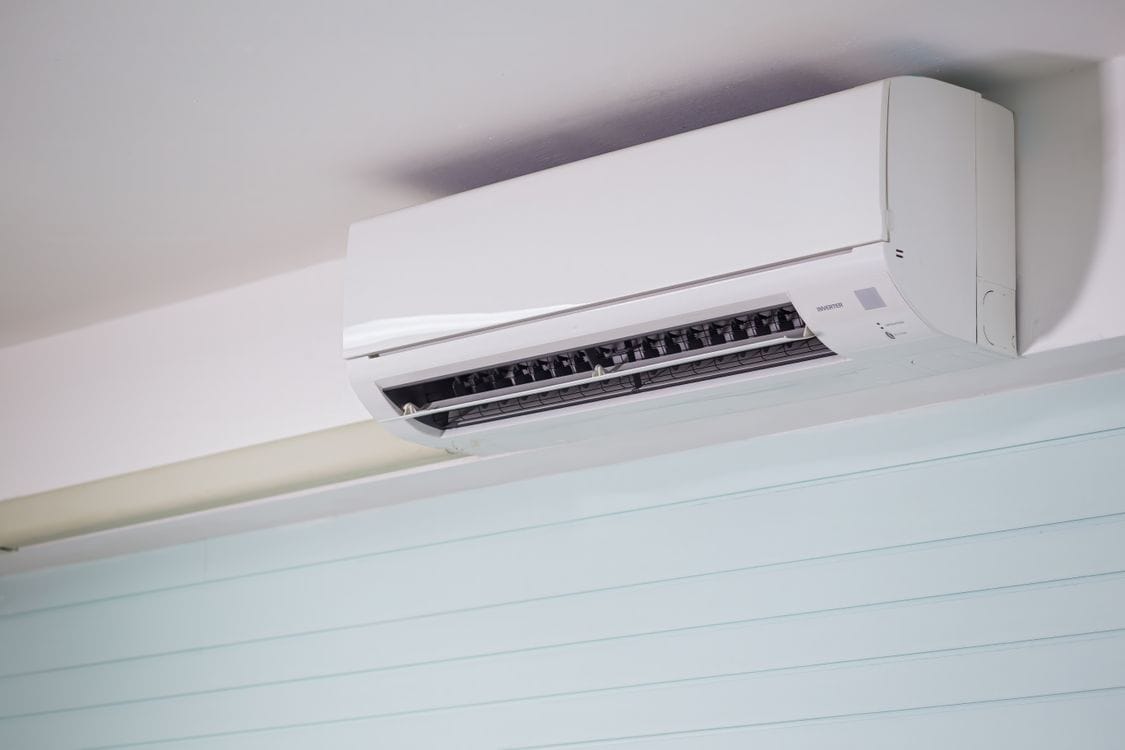
Phoenix moved to a newer set of construction codes in 2025, including the 2023 National Electrical Code.
One piece of that change won’t be fully enforced yet.
The city has deferred enforcement of NEC 210.8(F) Exception 2, a GFCI requirement involving HVAC equipment, because of product availability. The new enforcement date is March 1, 2027.
Phoenix lists that date directly on its current building construction codes page.
It’s a small notice on a city website. For Phoenix homeowners, the subject behind it is familiar: an air conditioner that suddenly has no power.
GFCI protection isn’t the same as an ordinary breaker
Most people meet GFCIs in bathrooms and kitchens.
Press TEST, the outlet clicks off. Press RESET, power comes back.
The same basic type of protection now appears in more parts of modern electrical codes, including requirements involving some HVAC equipment.
A standard circuit breaker and a GFCI are looking for different trouble.
The breaker protects a circuit against conditions such as excessive current and short circuits. GFCI protection watches for current taking a path it isn’t supposed to take.
Both can shut equipment off.
That doesn’t make the cause interchangeable.
This matters more in Phoenix than it might somewhere cooler
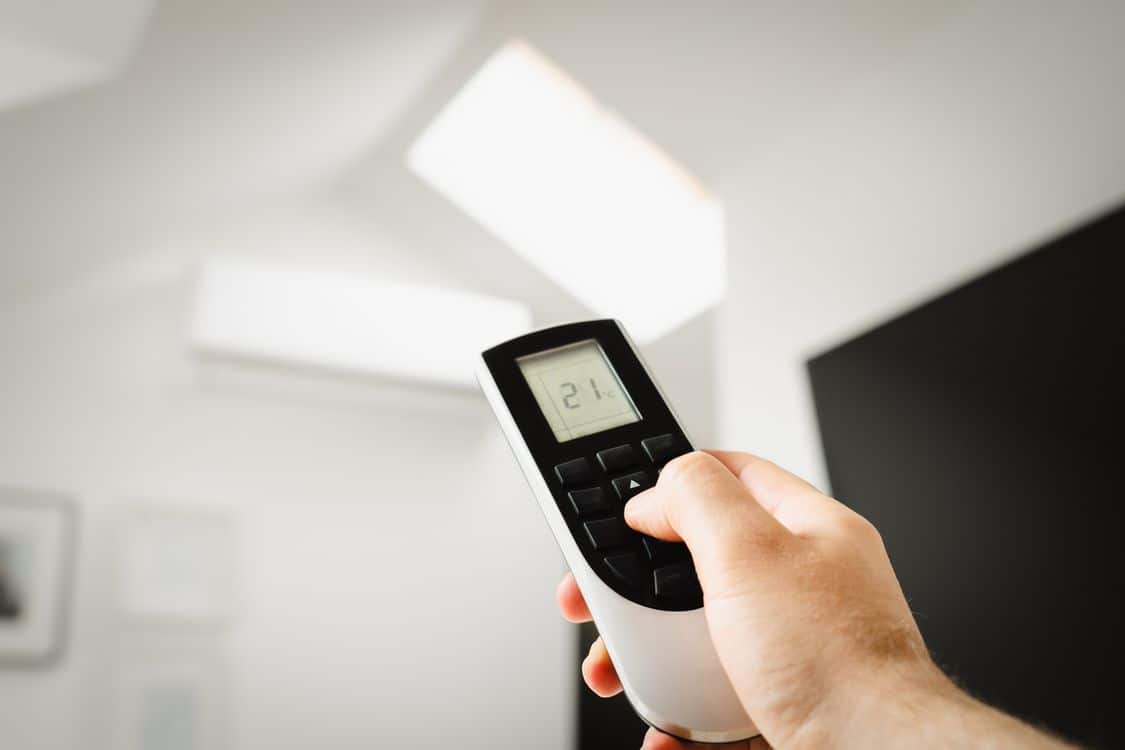
An air conditioner losing power in March is irritating.
An air conditioner losing power during a 110-degree afternoon can turn into a household problem fast.
That pressure makes people impatient with anything that repeatedly shuts cooling equipment down.
Reset it.
Reset it again.
Find a way around whatever keeps tripping.
That’s where a protective device can get treated as the nuisance instead of the fault it may be responding to.
If a newly installed or serviced AC circuit starts losing power repeatedly, the answer isn’t automatically “bad GFCI.” The equipment, circuit and protective device all need to be considered.
The symptom matters as much as the device that tripped. Local emergency-service guidance from emergencyelectricianphoenix.com includes repeated breaker trips, partial power loss, sparking outlets and burning smells among the problems that can warrant prompt electrical attention.
Code changes don’t mean every old house gets rebuilt
Phoenix adopting a newer electrical code doesn’t send every homeowner out to replace an existing panel, receptacles and air-conditioning circuit.
Existing installations and new work aren’t treated the same way.
The code becomes especially relevant when electricians are installing equipment, extending circuits, replacing components or performing work that falls under the newer requirements.
That distinction gets blurred when a home changes a little at a time.
An AC gets replaced one year. A panel gets upgraded later. A garage is converted. An EV charger arrives after that.
Each project has its own scope, but they all end up relying on the same electrical system.
New loads are showing up faster than they used to
Air conditioning still owns a large chunk of the conversation in Phoenix, for obvious reasons.
It isn’t the only large electrical load being added to houses.
EV charging can draw substantial current for hours. Electric cooking is becoming more common. Some remodels replace gas appliances with electric equipment. Battery systems and solar equipment bring another set of connections and controls.
A homeowner may think of each project separately because they happened years apart.
The panel doesn’t.
It sees the combined load.
That can turn what sounds like a narrow code question into a broader planning question during a remodel: what is being added now, what already exists and what is likely to be added next?
March 1, 2027 is the date to remember
Phoenix didn’t delete the HVAC GFCI requirement.
It delayed full enforcement.
That’s different.
Anyone planning HVAC replacement or related electrical work around that date should make sure the equipment and installation approach match the rules in force when the work is done.
And if an AC protection device is already tripping repeatedly, there isn’t much reason to wait for a code date before finding out why.