

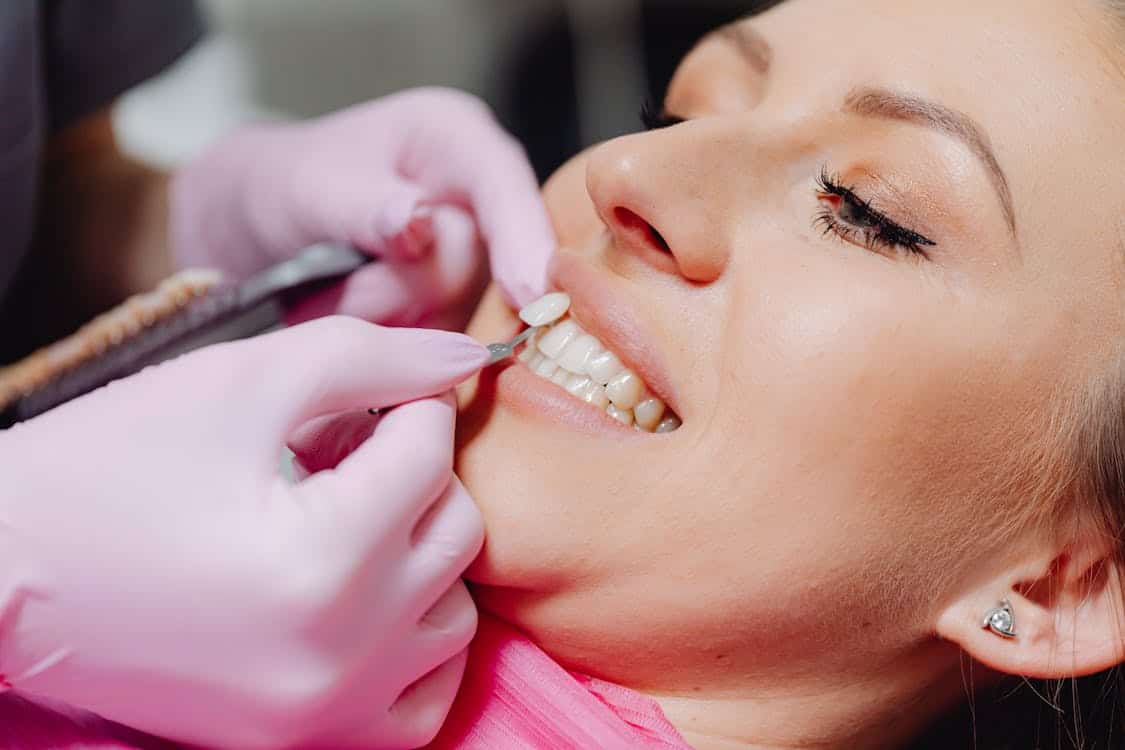
A smile can change how others see you and how you feel about yourself, so choosing the right cosmetic option matters. Dental veneers are thin shells that fit over the front of teeth to improve color shape or length while offering a quick route to a refreshed look.
People pick veneers to hide chips gaps heavy staining or uneven teeth after other treatments fall short or when a faster fix is wanted. Knowing what happens before during and after treatment helps you make a calm steady choice when the time comes.
What Are Dental Veneers
Veneers are custom made shells, typically created from porcelain or composite resin, that are bonded to the front surface of teeth to alter their appearance while preserving most of the underlying tooth.
The goal is to improve aesthetics by correcting shade shape size or small alignment quirks without major tooth removal in many cases, though some enamel shaping is common.
Porcelain tends to mimic the light reflecting qualities of natural enamel and resists stains, whereas composite can be applied directly in a single visit for a quicker outcome. Each option has its own track record and trade offs, so matching the material to your needs and lifestyle is part of the plan.
Who Is A Good Candidate
Ideal candidates want to change the look of front teeth that are mostly healthy but flawed in appearance, such as teeth with chips stains or small gaps that do not require bite correction. People with active decay or significant gum disease should first get those issues treated because long term success depends on a healthy base.
Those who grind teeth might need a protective plan because excessive stress can chip or wear down veneers and shorten their lifespan. Realistic expectations about what veneers can achieve will help you avoid disappointment and keep the focus on a natural looking outcome.
If you’re considering veneers, the Preston dental clinic is an excellent place to explore your options and get expert advice on the best treatment for your needs.
Porcelain Versus Composite Veneers
Porcelain veneers are crafted in a dental lab using impressions or digital scans and then bonded in place, offering superior stain resistance and a surface that often looks more like enamel.
Composite veneers are sculpted directly in the mouth using resin and can be repaired or adjusted easily, with lower upfront cost and the benefit of fewer appointments in many cases.
Longevity differs, with porcelain commonly lasting longer under normal conditions while composite may need more frequent touch ups, so the best choice ties back to budget and how long you expect the result to last. Color matching and technique matter a lot, so skilled hands and good lab work often make the biggest difference.
The Procedure Step By Step
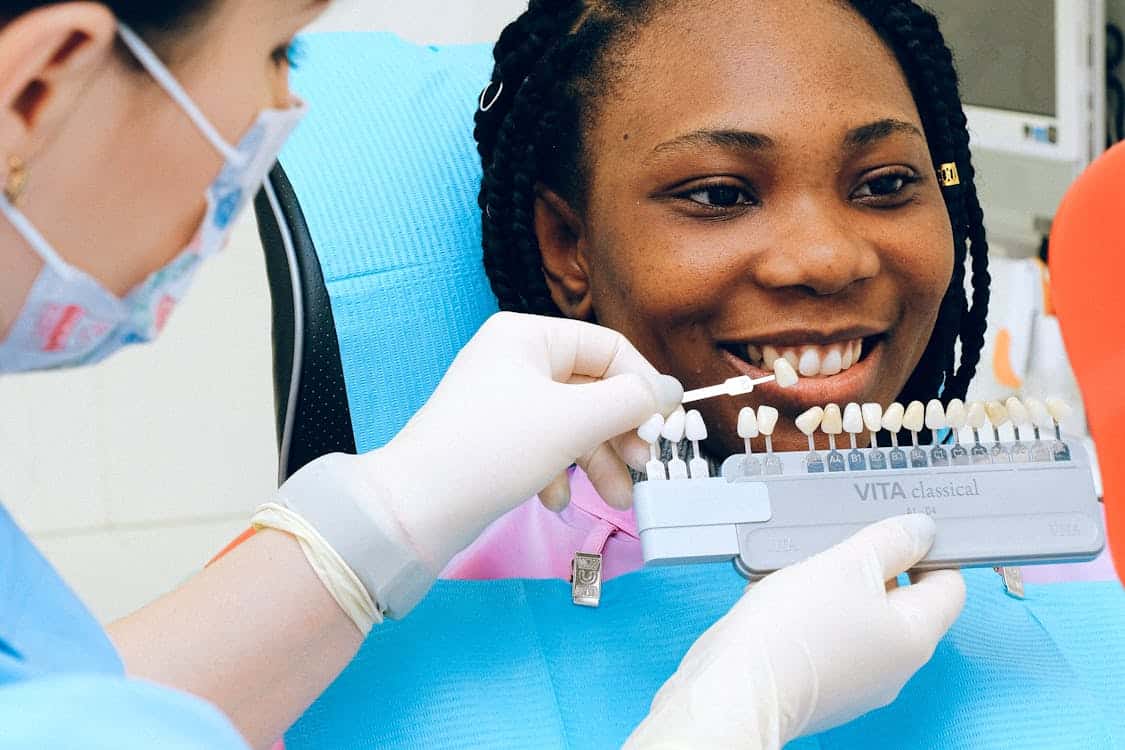
A typical journey starts with a consultation where photos, x rays, or digital scans are taken to set goals and check oral health, followed by treatment planning and mock ups so you get a sense of the final look.
If the plan proceeds, a small amount of enamel may be smoothed away to make room for the shell, impressions are taken and temporary coverings may be placed while the final pieces are made.
At the bonding visit each veneer is checked for fit color and shape then bonded with dental adhesive and cured, with final adjustments to bite and polish carried out so everything feels right. Many people report that the process is more comfortable than expected, though a few follow up tweaks can be needed for ideal feel and appearance.
Costs And What To Expect
Prices vary widely by material dentist skill and geographic location with porcelain generally carrying a higher fee and composite often more affordable for the short term.
Insurance typically treats veneers as cosmetic and may not cover the procedure, yet coverage can change when veneers repair damage from injury or are part of a medically necessary restoration.
Payment plans or dental financing can spread costs over time, and it is worth asking the office for an itemized estimate so you know what is included and what might come later. Think about long term value versus short term cost because a well matched durable veneer can avoid repeated fixes that add up over the years.
Maintenance And Longevity
Veneers do not stop the need for good daily care, so brushing twice a day and flossing are front and center for protecting both the veneer and the tooth beneath.
Regular dental check ups help spot early issues with the bond edges gum health or bite that could threaten longevity, and a night guard is often recommended for people who grind or clench teeth.
Stain control is simpler with porcelain than with composite but all restorations benefit from avoiding excessive consumption of strongly colored foods and drinks if you want the result to last longer.
When repairs are needed composite can often be touched up in a single visit while porcelain may mean a new shell, so factor potential future work into any plan.
Risks And Possible Complications
Like any dental procedure there are risks including sensitivity after enamel reduction which usually eases over a few weeks but can persist in some cases and require attention.
Poor bonding technique or inadequate oral hygiene can lead to margin problems or decay under the veneer that may require repair or replacement, so technique matters as much as the material.
Color mismatch or an unnatural look can result when shade selection and contouring are rushed, which is why trial smiles and previews are worth the time to get right. Rarely a veneer can detach, chip or fracture under excessive force, so avoiding habits like using teeth to open packages is a small price to pay.
Alternatives To Veneers
Tooth whitening is a less invasive option when the main concern is color and is often suggested first when stains are the only issue to tackle, with the upside of low cost and simplicity.
Dental bonding uses composite to repair chips or reshape teeth with minimal tooth alteration and may be ideal for smaller fixes where a full shell feels like overkill.
Orthodontic treatment addresses alignment and bite problems and can sometimes make veneers unnecessary by moving teeth into a more pleasing position that needs little additional work. Crowns remain an option when more tooth structure is lost or when strength and long term protection of a treated tooth are priorities.
Choosing A Provider
Look for a dentist who blends technical skill with a clear visual sense and who offers a portfolio or before and after photos that match the style you like, because aesthetic taste varies from practitioner to practitioner.
Ask about training lab partnerships and the process used to preview or mock up results so you feel included in decisions rather than surprised at the end.
Communication matters, and the right clinician will take time to explain trade offs timelines and any follow up care without rushing you, treating the choice like a team effort. Trust your instincts when meeting the team because a good rapport can turn an adequate result into one that fits your face and your life.