

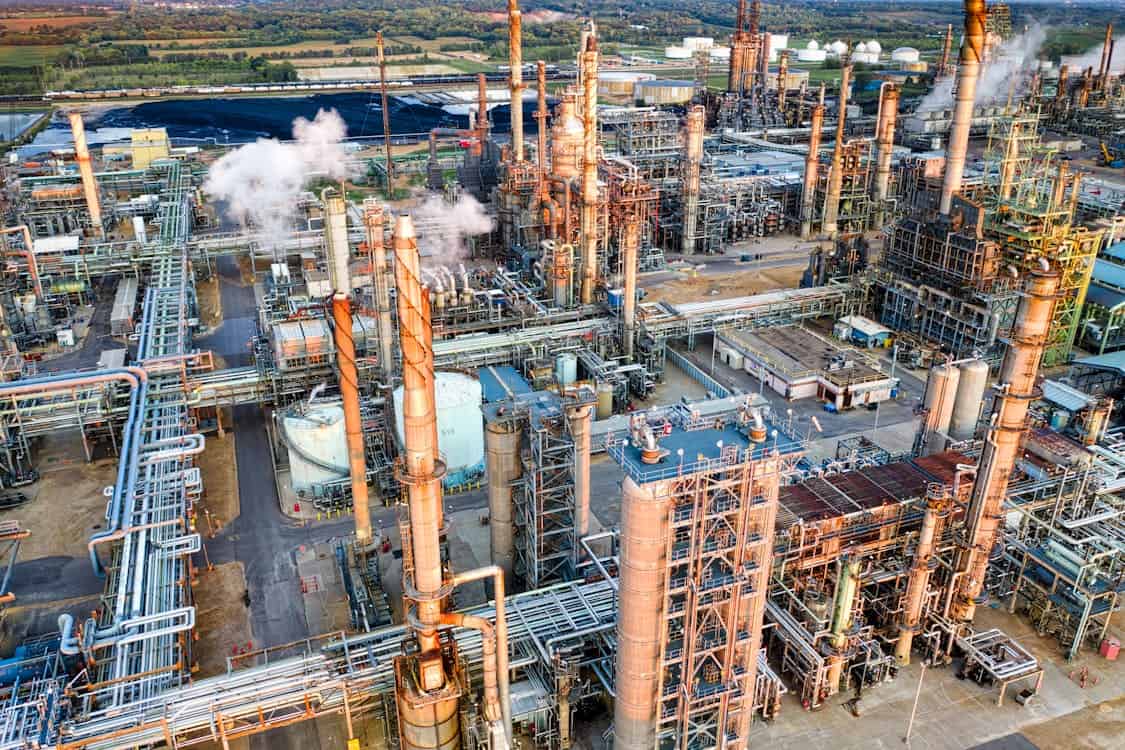
Energy pipelines move fuels and heat across vast distances and the choice of pipe material strongly shapes safety outcomes. Recent progress in chemistry, alloys and fabrication has shifted the balance toward fewer leaks and longer service life in many settings.
Teams of engineers and researchers are pairing older know how with new sensor systems to spot trouble early and act fast. The result is a quieter revolution in how energy moves from source to user while keeping communities safer.
Material Science Advances
Materials research is no longer a single paper exercise and scientists are blending theory with hands on testing to push limits. Advanced modeling lets researchers predict how tiny defects will grow under pressure and changing temperature so that small signs do not turn into big problems.
Additive manufacturing and refined heat treatments make it possible to tune microstructure for a balance of strength and ductility that was hard to achieve with legacy methods. The pace of change requires that field crews learn new cues and that operators update their risk playbook.
Polymer Based Pipelines
Polymer pipes have shed a reputation for fragility and now appear in more demanding roles for gas and certain liquids thanks to improved formulations. New grades of polyethylene resist slow crack growth and stress induced cracking while offering lighter weight and easier handling on site which cuts human strain.
Chemical resistance and long term creep behavior are tracked with accelerated testing that mimics real life conditions so service life can be projected with greater confidence. Developers are pairing polymers with smart fittings that report strain and temperature so teams can respond before a small issue becomes a big headline.
Composite Reinforced Systems
Composite materials combine fibers and resin to yield a mix of stiffness and toughness that metals alone cannot match in some settings. For buried lines or submerged routes composites resist external corrosion and can be engineered to survive impacts that would dent or rupture traditional pipe.
In highly corrosive oil and gas service, some operators also evaluate a clad pipe design that bonds a corrosion resistant alloy to a carbon steel base for added durability without excessive cost.
Repair crews like that composite wraps and sleeves often let them fix a section quickly and get a line back to work without waiting for heavy replacement parts. The main challenge is creating inspection protocols that catch hidden damage inside a layered assembly before it grows.
Corrosion Resistant Alloys
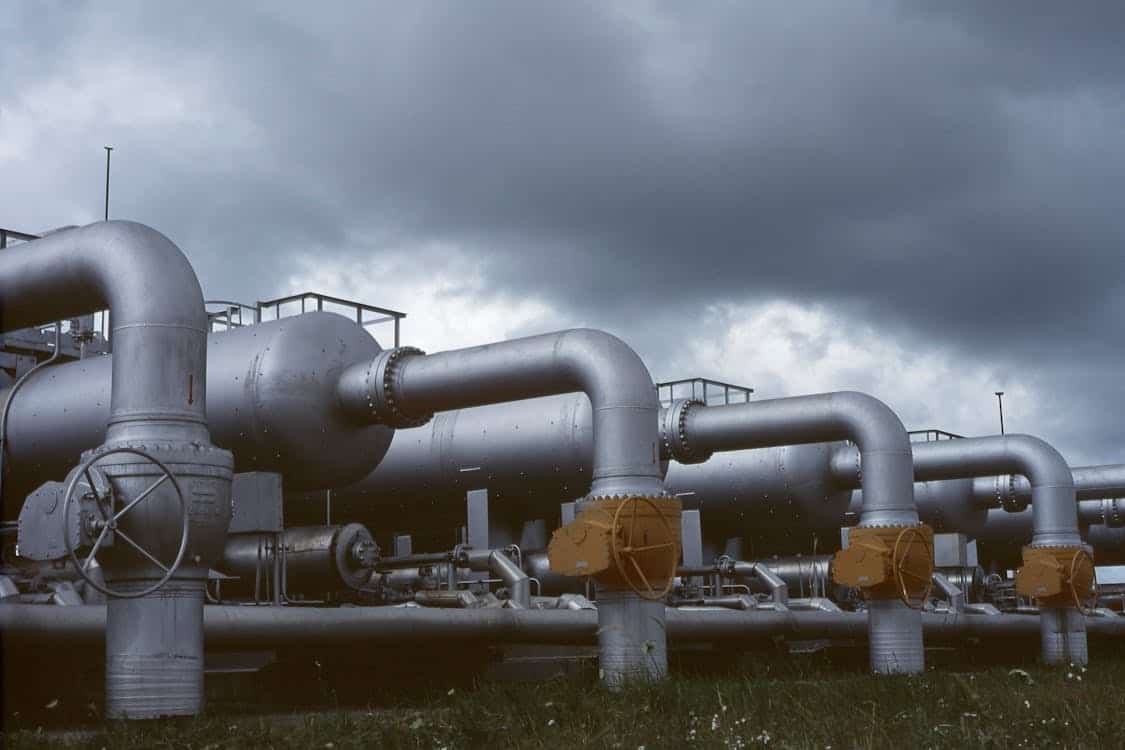
Metallurgy continues to offer new alloys that resist pitting and stress corrosion cracking in salty or sour environments where failures have happened before. Alloy designers study how trace elements affect grain boundaries and corrosion pathways so that a small tweak in chemistry yields a big change in longevity.
Larger diameter transmission lines benefit when a material can carry the same load with a thinner wall and lower weight which eases transport and installation. Weldability and field machinability remain important practical factors that decide whether a promising alloy will leave the lab and earn a spot in the field.
Smart Coatings And Linings
Coatings and linings act as the first line of defense against moisture and chemical attack and modern versions bring more than a barrier. Embedded microcapsules can release inhibitors when a coating starts to fracture and self healing polymers close small cracks before moisture gets to the metal underneath.
Electrically conductive or sensing layers give a corridor of data that reports coating health without intrusive sampling which avoids guesswork. Getting the chemistry right so a coating lasts decades in both hot and cold service is where art meets hard testing.
Hydrogen Ready Materials
Moving hydrogen at scale creates unique material demands because hydrogen atoms can sneak into metal and make it brittle under stress in ways that are not seen with natural gas.
New alloys and specially processed steels show greater resistance to hydrogen induced cracking and slow fracture for the pressures expected in future networks.
Polymeric liners and composite barriers also provide pathways to switch a legacy line to hydrogen service with less cutting and welding which appeals to operators who want to keep costs down.
Careful qualification programs and pressure tests are key to making sure a conversion does not lead to surprises after a line has been returned to operation.
Embedded Sensor And Monitoring Technologies
Pipes that can tell a story beat those that leave operators guessing and a new crop of embedded sensors is delivering that voice. Fiber optic strands can monitor temperature and strain along a continuous spool length and trigger alerts when patterns match a leak or a buckle forming under load.
Low power wireless nodes mounted on fittings give targeted data at welds and joints which helps maintenance crews focus effort where it will do the most good. Pairing sensor streams with pragmatic decision rules keeps alarms useful and avoids the old curse of too many false positives that wear out trust.
Joining And Repair Methods
Joining technology is where material science meets the hands on world and new methods are shortening downtime while keeping integrity high. Friction based welding and improved fusion techniques produce joints with properties closer to the parent pipe and reduce residual stresses that can start cracks.
For emergency repairs, composite wraps and clamp systems let a crew stabilize a leak and keep product moving until a permanent repair is scheduled. Training and clear step by step procedures are the glue that holds these technical advances together in the field.
Standards Testing And Certification
New materials need a fair shot and that means test protocols that recreate real service conditions so performance claims have teeth. Round robin testing and blind trials help prevent a single lab result from carrying too much weight and give operators confidence when they choose a new material.
Certification bodies are adding tests for hydrogen exposure and for long term coating performance which helps separate hopeful claims from proven capability. Clear documentation that links lab cycles to expected field years helps planners make cost effective choices without a leap of faith.