

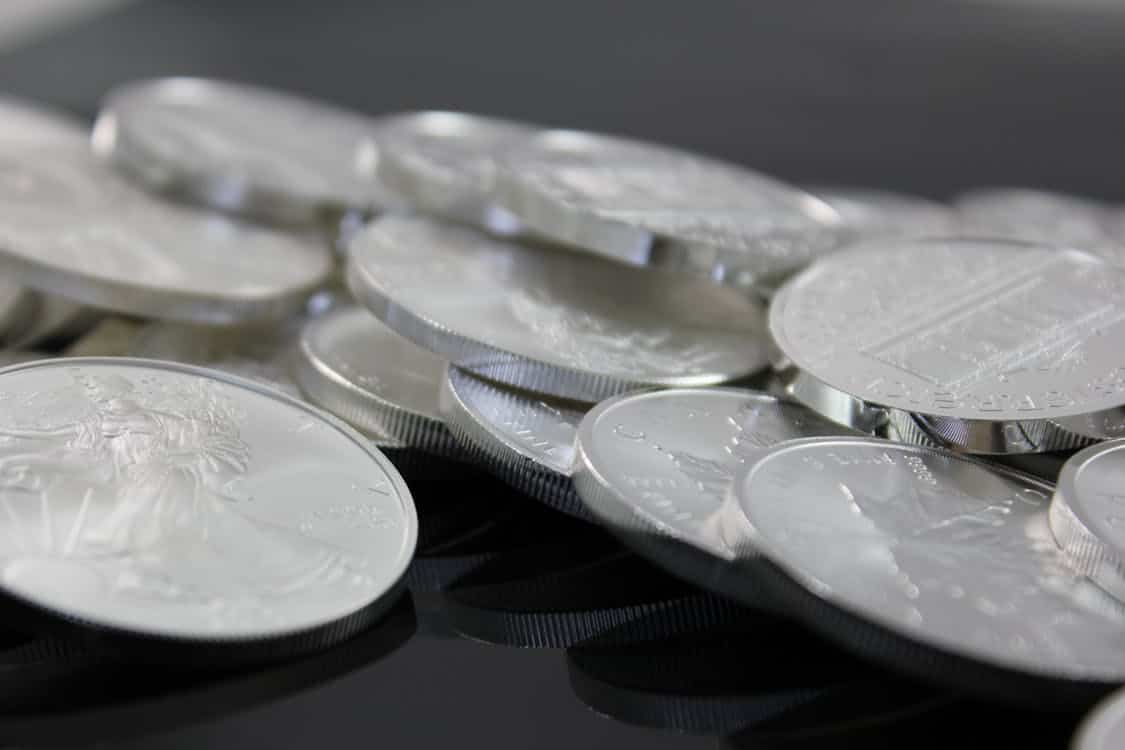
Inflation can feel like a slow leak in household finances and in long term savings alike, and many investors look to alternative stores of value when prices climb. Silver often comes up in those conversations because it sits at the crossroad of monetary metal and industrial commodity, offering a dual narrative that draws attention.
Deciding whether to add silver to a portfolio requires a clear view of how it behaves under inflationary pressure, plus practical thought about storage, liquidity and timing.
How Inflation Affects Precious Metals
Inflation erodes purchasing power of paper money and that dynamic often pushes people toward tangible assets that have held value over long spans. Precious metals are frequently cited as hedges when consumer prices climb, though each metal reacts in its own way because of supply, demand and market sentiment.
Silver tends to share some traits with gold but it also tracks industrial cycles more closely, which can create uneven moves when price levels shift. Markets do not move in a straight line and prices may lead or lag inflation indicators as traders and investors reassess risk.
Silver Versus Gold: A Quick Look
Gold has long been seen as the standard safe haven, with deep markets and a narrative tied to central bank reserves, while silver carries a dual role as metal and industrial feedstock.
That mix means silver can offer more dramatic upside in a rally, but equal or greater downside when demand softens or speculative interest wanes. Liquidity is generally stronger for gold, which can make execution easier for large trades, whereas silver markets sometimes show thin patches that widen spreads.
For investors who want to better understand the buying process and market mechanics, looking into how Money Metals Exchange supports silver buyers can offer additional clarity. A clear view about whether you want steady reserve value or higher risk with potential reward helps shape which metal fits best.
Industrial Demand And Price Drivers
Silver finds uses across solar panels, electronics, medical devices and certain chemical processes, and those end uses can boost demand independent of investor flows. When manufacturing expands and technology adoption rises, industrial pull can lift prices and tighten supplies in ways that pure monetary metals do not experience.
On the flip side, weak factory activity or rapid efficiency gains that use less silver can mute price gains or even weigh on the market. Understanding the balance between investor driven flows and real world consumption offers a fuller picture of why price moves sometimes surprise.
Physical Silver Options And Storage
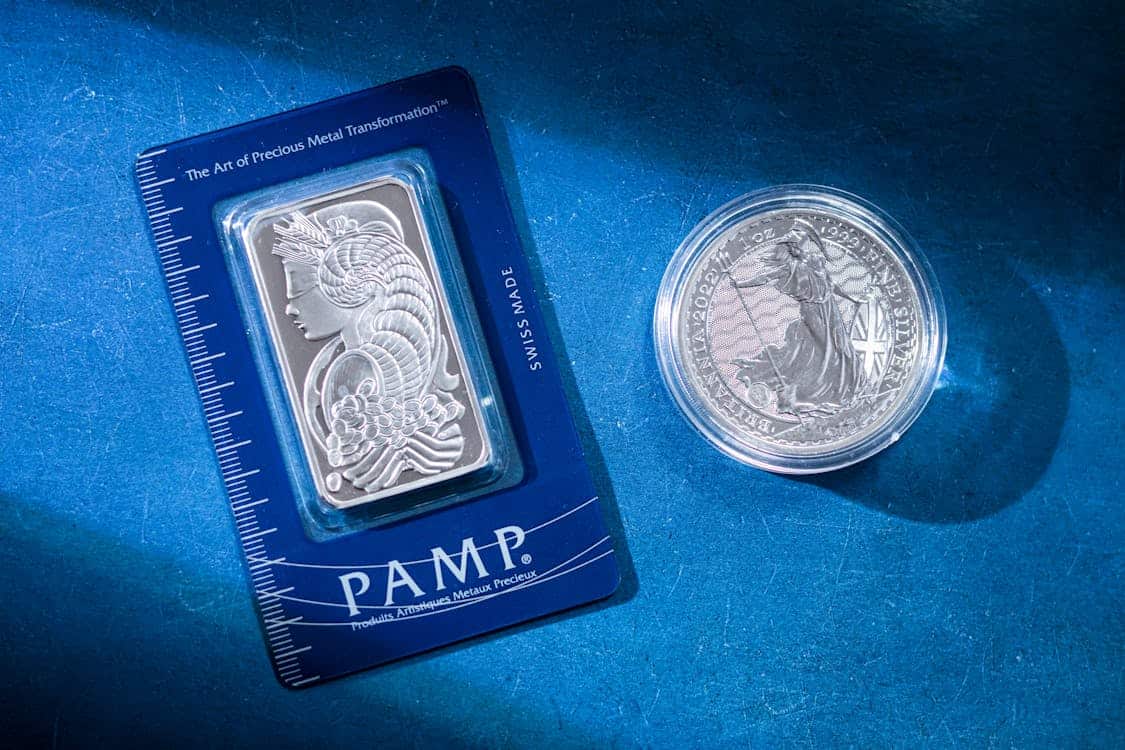
If you prefer holding metal in hand, coins, rounds and bars are the main choices, each with a mix of premiums and resale quirks that affect total cost of ownership. Smaller coins carry higher markup per ounce, which can hurt short term returns, while large bars lower the premium but require secure storage and can be harder to sell quickly.
Home vaults, safety deposit boxes and private storage services all bring tradeoffs around access, cost and security, and insurance adds another line item to ongoing expenses. For many people the choice rests on how often they want to touch the asset and how much they are willing to pay to keep it safe.
Silver Exchange Traded Products And Stocks
For investors who prefer not to handle metal, exchange traded products that track silver prices provide exposure with easy tradeability and lower logistical burden. Mining company shares and royalty firms offer a proxy that adds operational and management risk but can amplify gains through leverage to metal price moves.
Fees, tracking error and the structure of a given product matter, so picking a fund or stock requires reading the fine print and matching product features to personal goals. Paper exposure is simple to trade yet carries its own counterparty and market risks that differ from holding physical metal directly.
Volatility And Timing Risks
Silver often moves in larger percentage swings than many other asset classes, which brings both opportunity and the real risk of sharp drawdowns that test investor nerves.
Timing a purchase to when retail interest is low can work, but markets are notoriously difficult to time perfectly and price spikes sometimes follow news or macro shifts without warning.
A clear plan for how much volatility you can tolerate and what you will do in a drawdown keeps decisions anchored in strategy rather than emotion. Short term traders may thrive on those swings, while long term holders need patience and a method for handling interim losses.
Portfolio Role And Diversification
Adding silver can change the risk profile of a portfolio because it often behaves differently from stocks and bonds, especially when inflation expectations shift and monetary policy becomes uncertain.
Even a relatively small allocation can add an element of non correlation that smooths overall returns across varied market regimes, but it can also amplify volatility if the position grows large relative to the rest of the holdings.
Matching the allocation to personal goals, time horizon and cash needs prevents a metal position from becoming a distraction when markets get rough. Think of silver as one tool among many that can play a useful part when balanced and sized in line with the rest of the plan.
Practical Steps If You Are Interested In Silver
Start with a clear idea of the role you want silver to play in your financial picture and set rules for purchase size, rebalancing and exit points so impulsive moves do not set the agenda.
Compare total costs across dealers and funds, including premiums for physical metal, storage fees and fund expense ratios, because those expenses can erode returns over the long run.
Tax treatment varies by jurisdiction and by type of holding, so check local rules and think about how gains and losses will be reported and taxed. Finally, keep a log of purchases, serial numbers when relevant and receipts, which makes future sales easier and provides documentation that offers peace of mind when markets turn.