

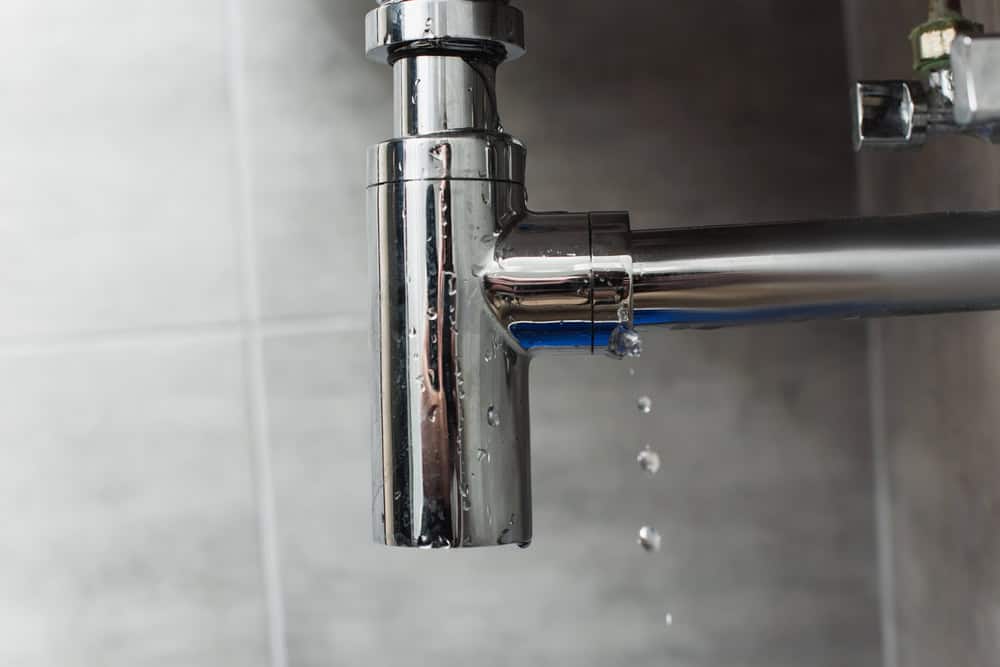
Water runs where it can and that simple fact makes leaks more than a nuisance in many homes and buildings. Small drips can grow into steady streams that warp floors, rot beams, and feed mold in hidden cavities, so what starts as a minor annoyance can become a heavy burden.
There are clear health and safety angles to weigh along with the financial hit that follows wasted water and rising bills, which means people ought to pay attention early. A few timely actions will often prevent a larger headache and restore a sense of control.
Causes Of Pipe Leaks
Pipes develop leaks for many reasons, and age is a common one that wears away seals and metal over time. Temperature swings make materials expand and contract, which weakens joints and can open tiny cracks that later fail, and poor installation makes a bad situation worse.
In more serious cases, a slab leak can quietly erode the foundation, creating structural issues that are difficult and expensive to repair if ignored.
Mechanical stress such as settling foundations, accidental nail punctures during renovations, or tree roots pressing on older sewer lines all play a role in how and when a pipe will fail. Corrosion from water chemistry or stray electrical currents can eat through metal and allow a slow weep to turn into a gusher.
Health Risks From Water Leaks
Stagnant water and damp building materials create fertile ground for mold and mildew, which release spores that can trigger allergies and respiratory irritation. Hidden leaks inside walls or under floors are hard to spot and can let contaminants and bacteria spread within the indoor environment, increasing risk for vulnerable people.
If sewage lines leak, pathogens pose a direct threat to health, and cleanup requires protective steps to reduce exposure to harmful microbes. Long term exposure to damp indoor air can worsen asthma symptoms and make a living space uncomfortable at best.
Structural Damage And Mold Growth
Moisture that touches wood and drywall slowly breaks down structural components, and small stains often hide extensive softening that compromises load bearing pieces. Floors can buckle and cup as subfloor material weakens, and plaster or gypsum finishes will crumble where they remain wet over long spans of time.
Mold grows quickly on cellulose based materials when conditions are right, so a minor leak left unchecked often produces visible colonies inside a month or two. Repairing structural rot and treating large mold infestations can be costly and disruptive, requiring removal of affected materials and possibly replacement of framing members.
Electrical Hazards And Corrosion
Water near electrical wiring creates a risk of short circuits and shock if conductors are exposed or junction boxes are compromised by moisture. Corrosion on metal parts such as service panels, outlet screws, and appliance terminals reduces conductivity and raises the chance of failures that may lead to sparks or fire.
Appliances that encounter steady moisture can malfunction in unpredictable ways, and loose connections may generate heat where water has caused rust and scale. Turning off power to flooded areas and having a licensed electrician assess damage is a common safety step after a significant leak.
Water Waste And Higher Bills
Even a small steady drip represents a surprising volume of lost water over days and weeks, and that loss shows up on utility bills in an unpleasant way. Municipal water supply, treatment, and heating for hot water all cost money, so a leaky pipe hits the wallet on multiple fronts.
Hidden leaks inside walls may not be obvious from a meter reading alone, but an unexplained spike in a monthly statement is a classic tip off that a line is running where it should not. Fixing leaks conserves resources and reduces ongoing operational costs for a household or building owner.
Detecting Hidden Leaks Early
Early detection often relies on watching for subtle signs like new stains on ceilings, musty odors in crawl spaces, or a sudden drop in water pressure when fixtures are off. Meter monitoring helps too, as a steady meter movement while all taps remain closed points to a leak somewhere in the system.
Technology such as acoustic listening tools and infrared cameras can locate concealed moisture without tearing open walls, and a qualified plumber will combine observation with targeted tests to find stubborn sources. Acting at the first hint of trouble keeps repair scopes smaller and limits the spread of moisture to adjacent areas.
Temporary Fixes And When To Call A Pro
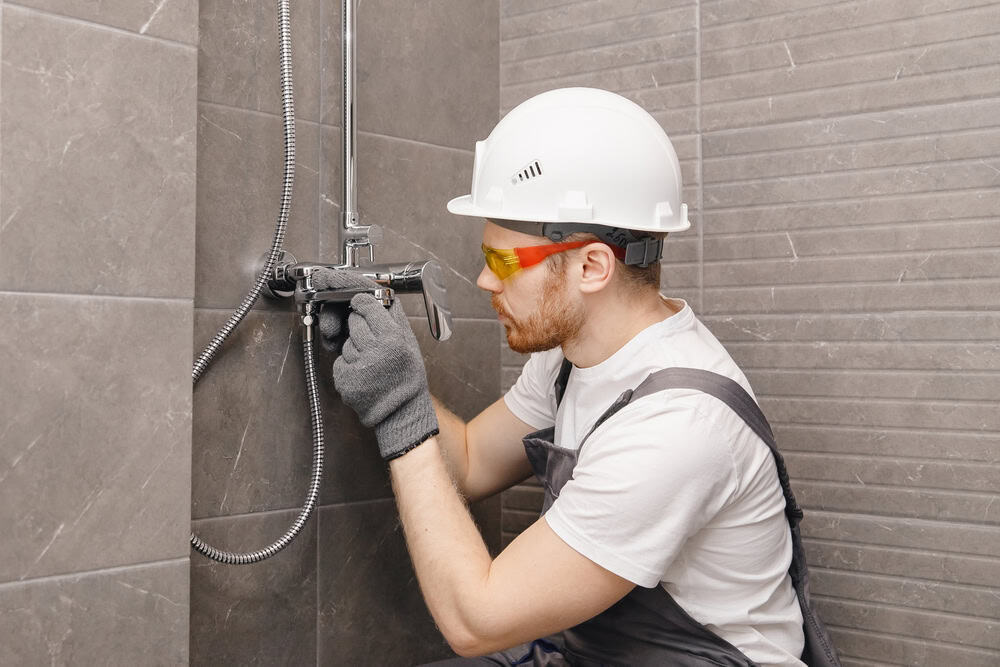
For an emergency, simple fixes like shutting off the main valve, applying pipe tape, or wrapping a clamp around a small leak can buy time until a professional arrives. Such stopgap measures will not cure a failing pipe if the material has multiple weak spots or if corrosion runs deep, and the symptom often comes back when pressure returns.
A licensed technician will assess the root cause, recommend repair or replacement, and follow local codes for materials and methods so future problems are less likely. When water touches insulation, wiring, or structural members, a prompt expert repair reduces long term damage and liability.
Materials And Age Factors
Different piping materials show different failure modes, and knowing what sits inside walls helps predict where problems might crop up.
Copper pipes corrode where water chemistry is off or where galvanic action connects dissimilar metals, while older galvanized steel pipes often flake internally and restrict flow before they finally spring a leak.
Modern plastic piping such as PEX resists many types of corrosion but can still be vulnerable at fittings and under UV exposure from sunlight during installation. Tracking the age of major plumbing runs gives a householder an edge when planning replacement schedules and budgeting for upgrades.
Preventive Maintenance Tips
Regular visual checks under sinks, behind appliances, and in basements catch many issues while they are still small, and flushing water heaters removes sediment that leads to undue wear. Insulating pipes in cold areas prevents freeze related bursts, and securing loose lines reduces stress at joints and fittings during building movement.
Periodic pressure testing of the main line and inspection of exposed valves will reveal weaknesses before they break, and keeping a shutoff plan handy saves time when a leak becomes obvious. A stitch in time saves nine, and these steady habits keep surprises to a minimum.
Insurance And Liability Concerns
Home insurance policies vary in coverage for water damage, and sudden accidental breaks are often handled differently than slow leaks that have been active for long periods.
Claims for long term water harm may be denied when a carrier concludes that the problem should have been addressed earlier, which is why documentation of inspections and repairs proves useful during a dispute.
Landlords must also be mindful of tenant reports and timely repairs, since failure to act can expose an owner to liability for damages and health problems. Professional assessments and prompt action create a paper trail that supports a fair resolution when insurance or legal questions follow moisture events.