

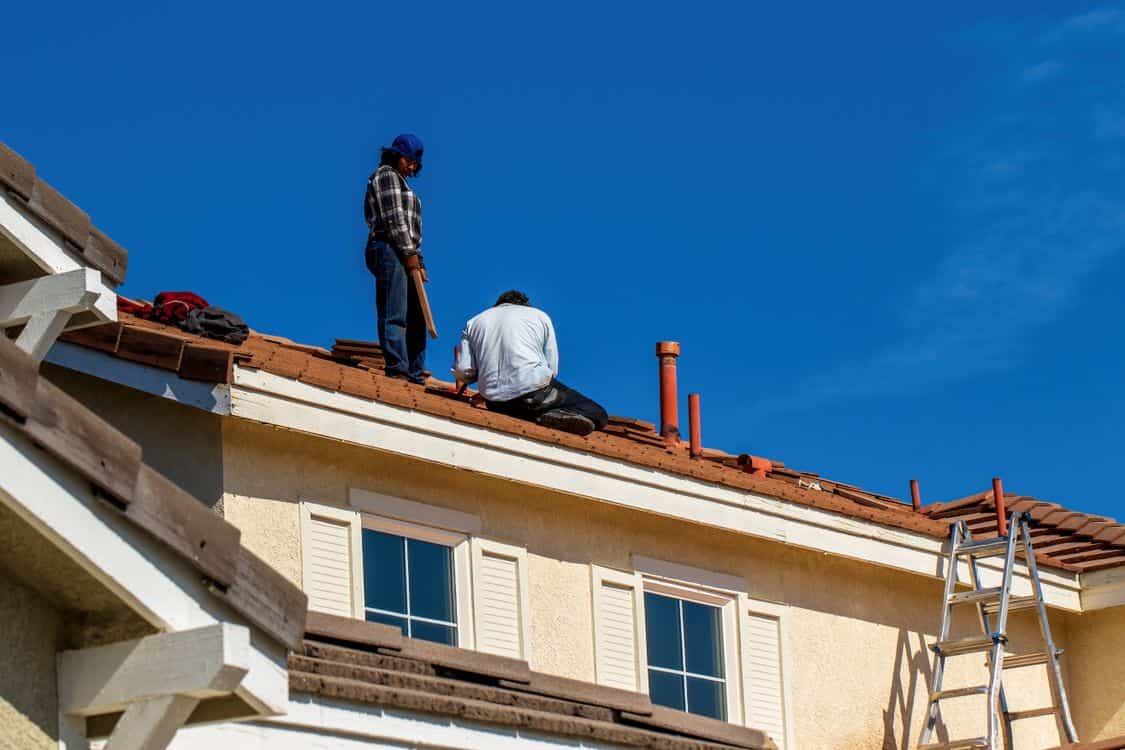
When homeowners finally decide it is time to replace a roof, the trigger is often not the age printed on a warranty but a claim, or the fear of one. Wind and hail damage drive a large share of those decisions, and the data explains why the weather, rather than the calendar, so often makes the call.
Recognizing that pattern is useful, because it points toward a better way to handle the decision: getting ahead of the damage rather than reacting to it after the fact.
The claims behind the decisions
Roofs are the part of a house most exposed to weather, and it shows up clearly in the claims data. Industry figures indicate that about 34% of home insurance claims stem from wind and hail damage, much of it concentrated on older, more vulnerable roofs.
An older roof is simply easier for the weather to damage. Brittle, aged shingles lift in high wind and crack under impact in ways a newer, more flexible roof shrugs off. So as a roof ages, the odds of a wind or hail claim climb, and with them the odds that the weather, not the homeowner, decides when replacement happens.
How this shapes timing
For a Mississauga homeowner, a significant wind or hail event often forces the replacement conversation earlier and more abruptly than planned. A roof that was comfortably on a “someday” list becomes an urgent project the morning after a storm, with water already finding its way in.
Acting from a position of fresh damage is more expensive and more stressful than acting ahead of it. Emergency repairs command premium pricing, crews are stretched after a widespread storm, and the homeowner is negotiating from weakness. The reactive path almost always costs more than the planned one.
The case for getting ahead of it
The alternative is to know your roof’s condition before the weather decides for you. A professional roof inspection that catches aging or lifting shingles, worn flashing, and developing weak points lets a homeowner plan a replacement on their own schedule and budget, rather than scrambling after a storm.
Getting that inspection from a reputable firm matters, because it should be an honest assessment rather than a sales pitch for work you do not need. With an established roofer, the assessment is more likely to reflect the roof’s actual condition than the crew’s need for the next job.
Replace before the claim, not because of it
The throughline of the wind-and-hail story is that the homeowners who fare best are the ones who replace a vulnerable roof before it becomes a claim, not after. They avoid the emergency premium, the post-storm scheduling crush, and the stress of water already inside the house.
In a region where wind and hail are a growing part of the weather picture, that proactive approach is increasingly the smart default. Knowing where your roof stands, and acting on your own timeline rather than the storm’s, turns roof replacement from a crisis into a manageable, planned investment.